
NATURAL FIBRES: Regenerated Fibres
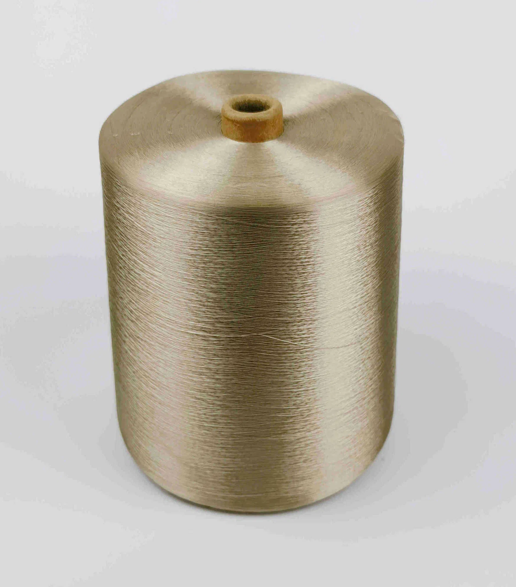
Acetate (Ac)
• Man-made fibre from cellulose (acetic acid treatment)
• Like viscose high shine, excellent drape
Surface
• Natural lustre
• Can range shiny, semi-matte, matte
Characteristics
• Smooth, soft, graceful drape
• Brittle, especially when wet
• Low elasticity
• Thermoplastic, good for pleating
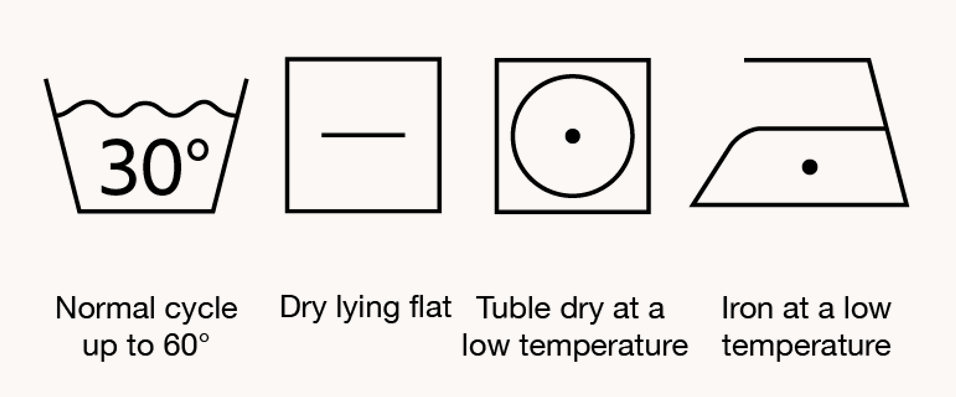
Care
Rayon (CV/R)
• Man-made cellulose fibre
• Artificial silk
• Versatile, soft, blends well with other fibres
Surface
• Natural lustre
• Can be shiny, semi-matte, matte
Characteristics
• Smooth, soft, silky, lustrous
• Brittle, especially when wet
• Highly absorbent, but slow-drying
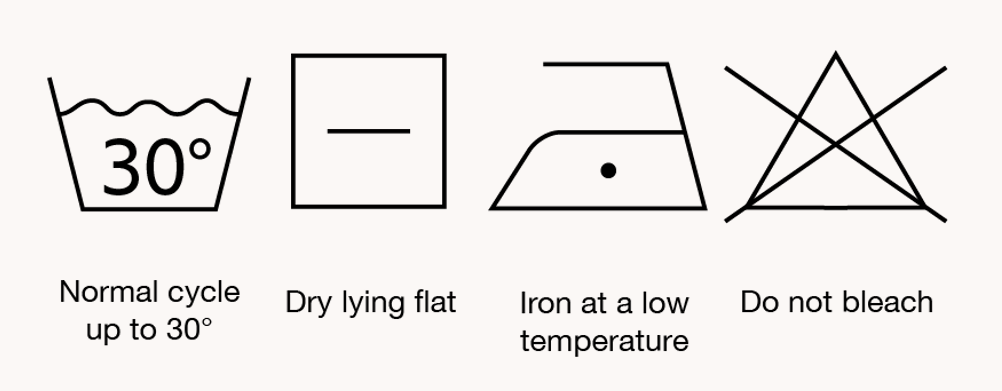
Care
Viscose (Vi)
• Aka “viscose rayon”
• Wood pulp and other cellulosic material
• Viscose manufacturing process
Cupro (Cu)
• Cellulosic pulp
• Cuprammonium process
• More fluid drape, anti-static properties,
less prone to pilling.
Modal® (Md)
• Beechwood pulp
• Modified viscose process
• Smooth surface, softer hand, excellent drape
EcoVero™
• Certified renewable wood sources
(like beech, spruce, or eucalyptus)
• Modified closed-loop viscose process
Lyocell (Ly/CLy)
• Aka Tencel
• Wood pulp
• Environmentally friendly, closed-loop chemical process
• High tensile strength, good moisture absorption, soft feel to the touch
CIRCULOSE®
• Textile waste
• Like viscose and lyocell
• Closing the loop in the textile lifecycle
Infinna™
• Textile waste, agricultural residues, or cardboard
• Soft, cotton-like regenerated fibre
• Cotton replacement
Refibra™ (by Lenzing)
• Cotton scraps and wood pulp
• Lyocell closed loop process)
• Used in TENCEL™ fabrics