FILAMENT YARN
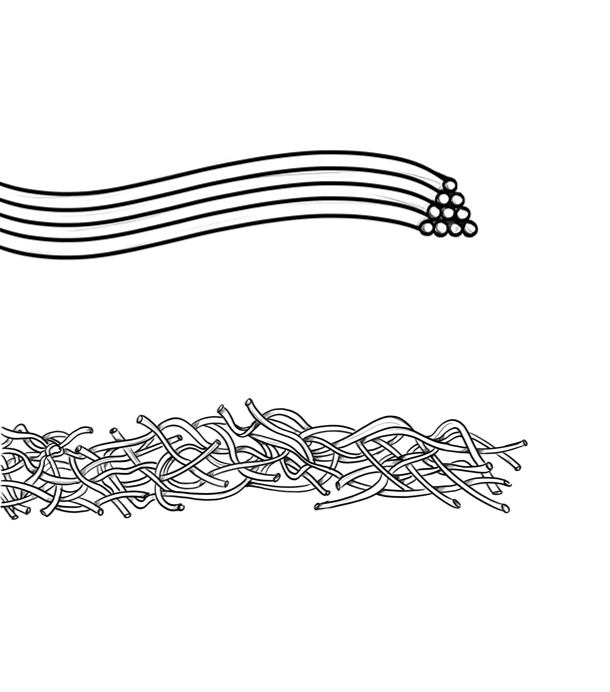
• Silk / synthetic fibres
• A solution is poured through a spinneret; in the case of silk, strands are twisted together to form yarn
• Smooth, even
STAPLE YARN
• Cotton, wool, …
• Twisted or spun to hold yarns together
• Hairy, uneven
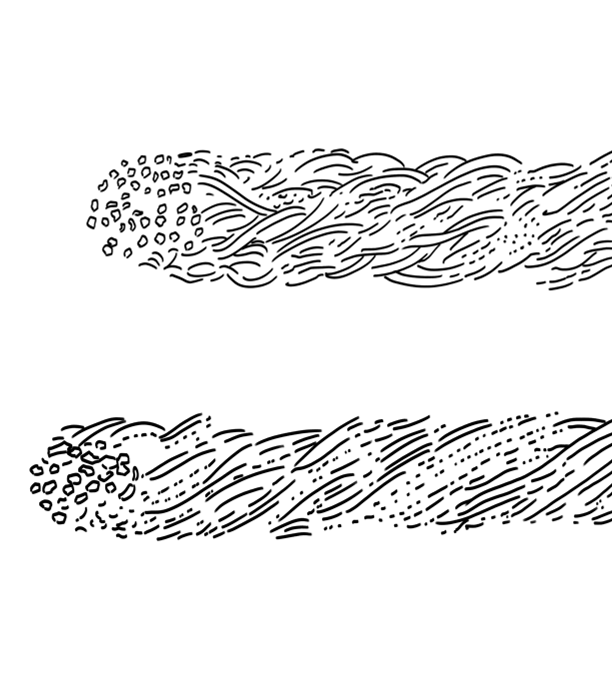
CARDING
Carding is a low-cost yarn production process that creates fuzzy yarn.
• Non-uniform
• Usually coarser to the touch
• Shrinks easily
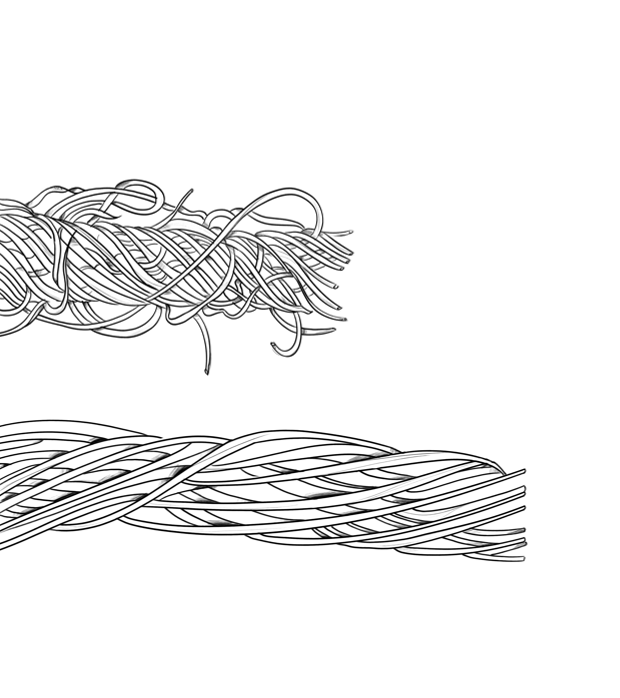
COMBING
This is a more expensive production process; it creates a smoother, softer yarn. Combing includes carding and additional processes that produce more waste.
• Straight and aligned
• Soft and smooth to the touch
• Lustrous in appearance
WOOLEN
• Carded and uneven wool fibres
• Bulky and uneven
• Slackly twisted
• Soft and hairy
WORSTED
• Combed wool yarns made from longer wool fibres
• Fine and even
• Tightly twisted
• Smooth, with little fuzz
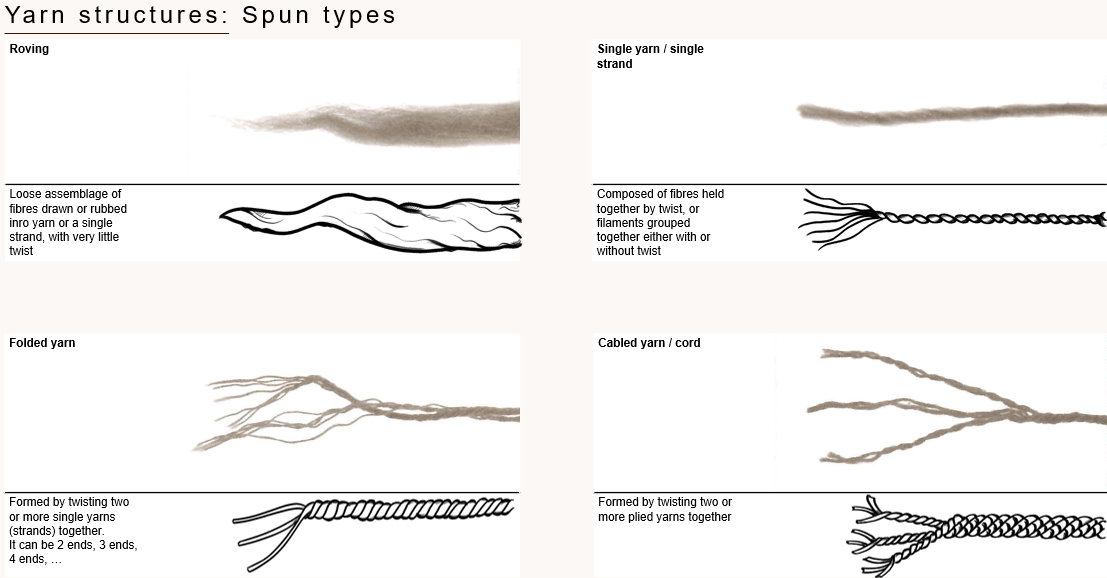
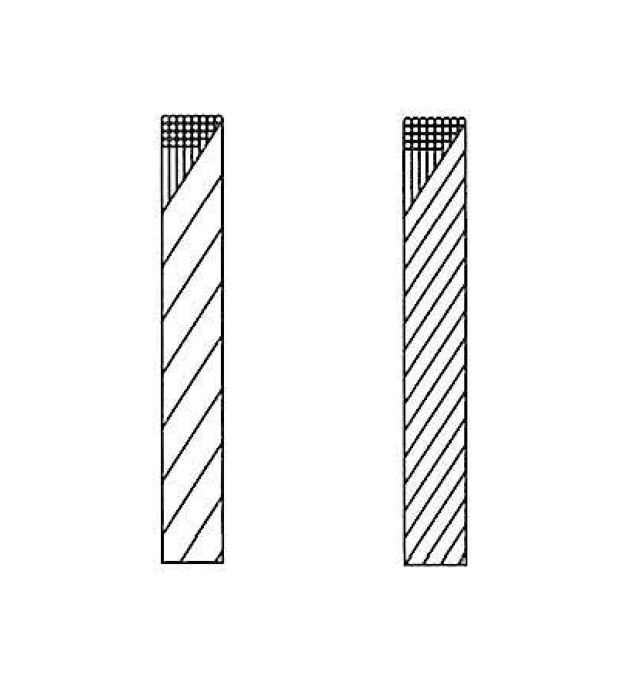
YARN TWIST :
LOW TWIST
• Used to make bulky, soft, and fuzzy fabrics
• Less elasticity
HIGH TWIST
• Used to make smoother surfaces and denser fabrics
• Smoother, firmer, stronger
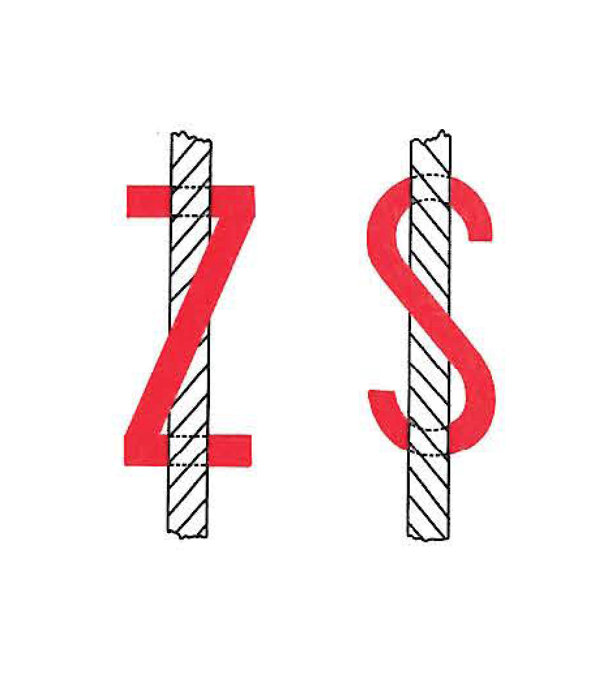
YARN TWIST :
Z TWIST
• Most used
S TWIST
• Untwines easier -> softer feel
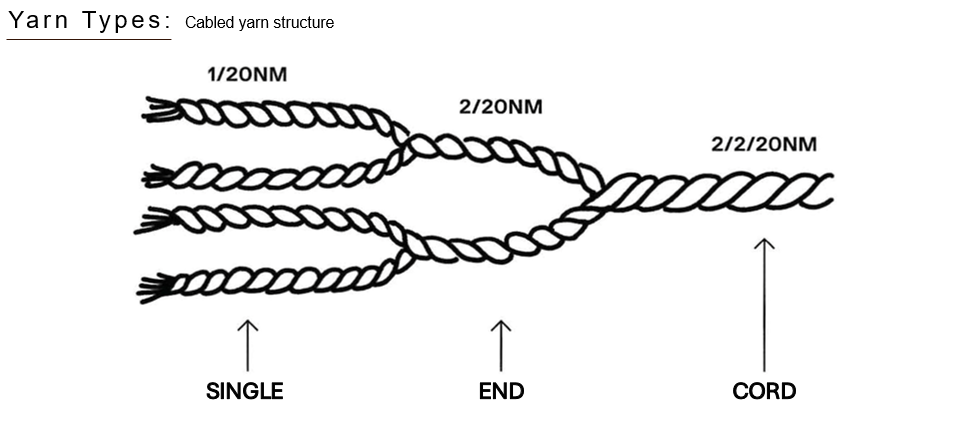
• Used for yarn with multiple ends (first s-twist then z-twist)