
SECTION 4
GARMENT FINISHING
Comfort & durability
Anti-static
• Reduce or eliminate the buildup of static electricit
•Coating, exhaustion, spraying (temporary)
Hydrophilic
• Increases moisture absorption and wicking •Coating, exhaustion, spraying
Drawbacks
• Resist wrinkling and hold its shape
• Coating, exhaustion
Anti-shrink
•Prevents shrinking after washing or heat exposure •Coating, exhaustion
Anti-pilling
• Reduces or prevents the formation of small fibre balls (pills)
Hygiene & freshness
Odor control
• Reduces or prevents unpleasant smells
• Spraying, coating, washing addative
Antimicrobial
• Inhibits the growth of bacteria, fungi, and odour-causing microbes.
• Coating, exhaustion, spraying, fiber incorporation
Protection & performance
UV-protection
• Blocks or absorbs ultraviolet (UV) radiation
• Coating, spraying, printing
Water repellency
• Resist wetting by water, so droplets bead up and roll off instead of soaking in.
• Coating, spraying, coating
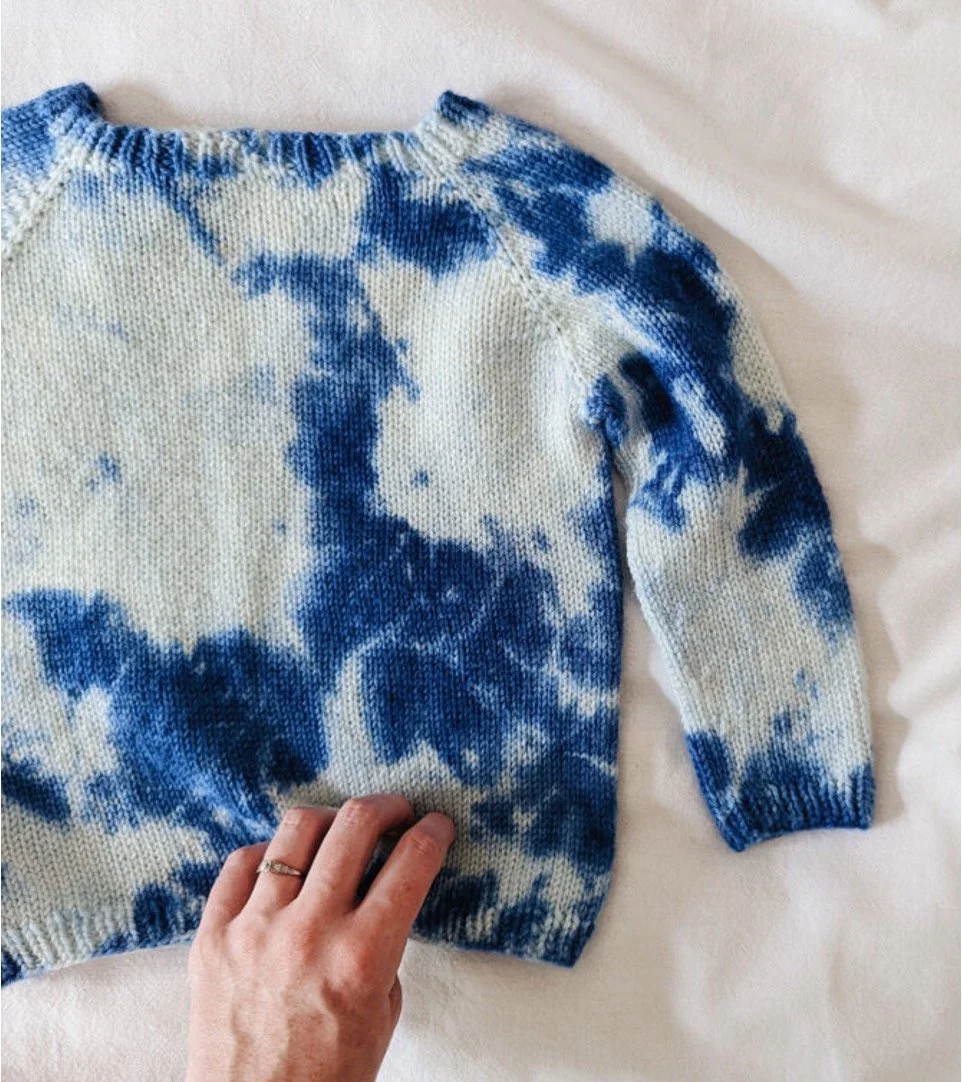
Tye dye
• Is tied or folded in patterns before dyeing to create colourful, uneven-patterned designs.
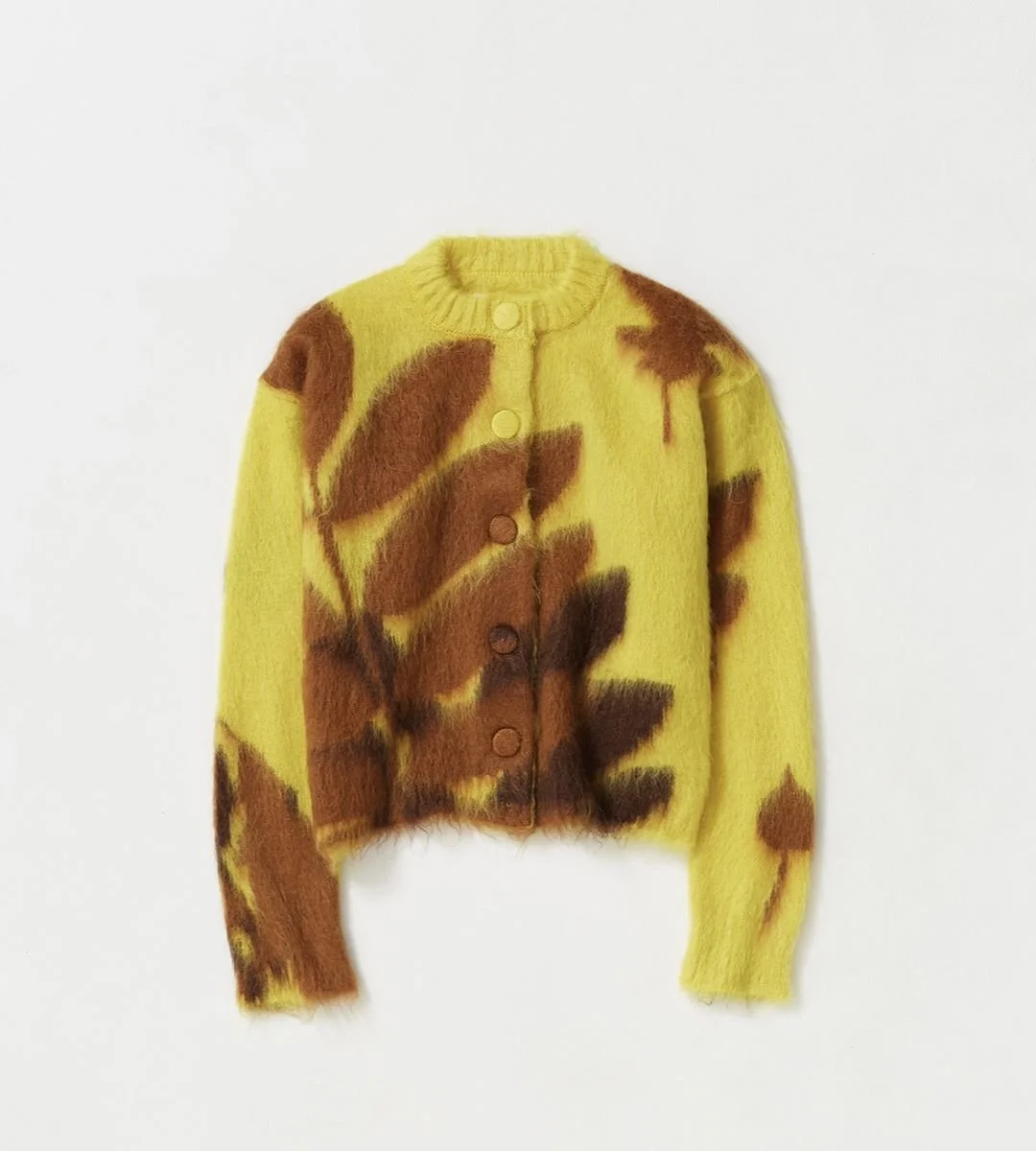
Pattern printing
• Apply colour or pattern directly to the fabric surface, cheaper alternative to intarsia/jacquard
• Reactive printing, pigment printing,
• Discharge printing,
• Resist printing,
• Transfer printing,
• Digital printing
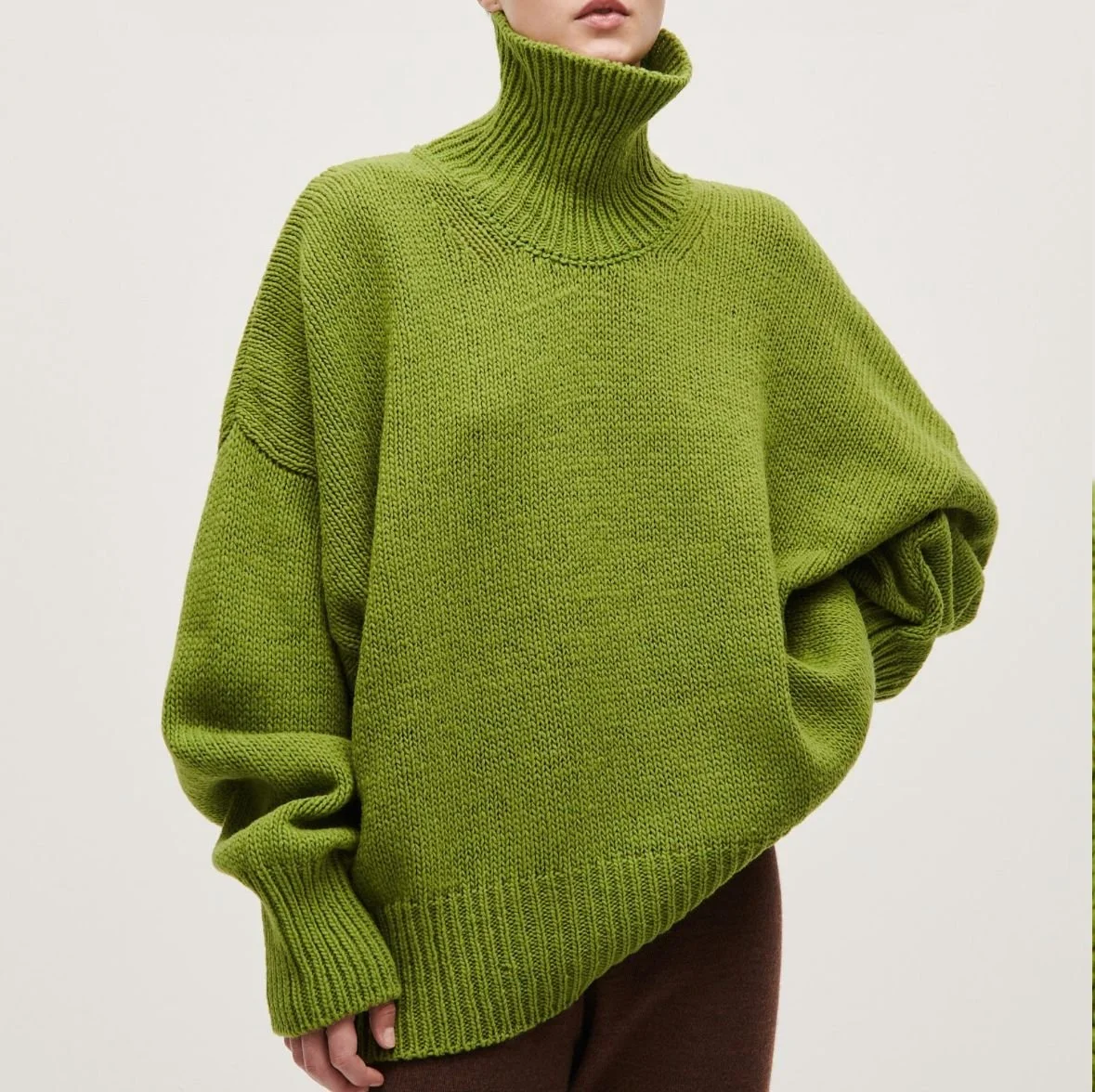
Garment dye
• Dyeing garments or fabric (knit panels) to achieve a uniform colour
• Less colour fastness than yarn dye
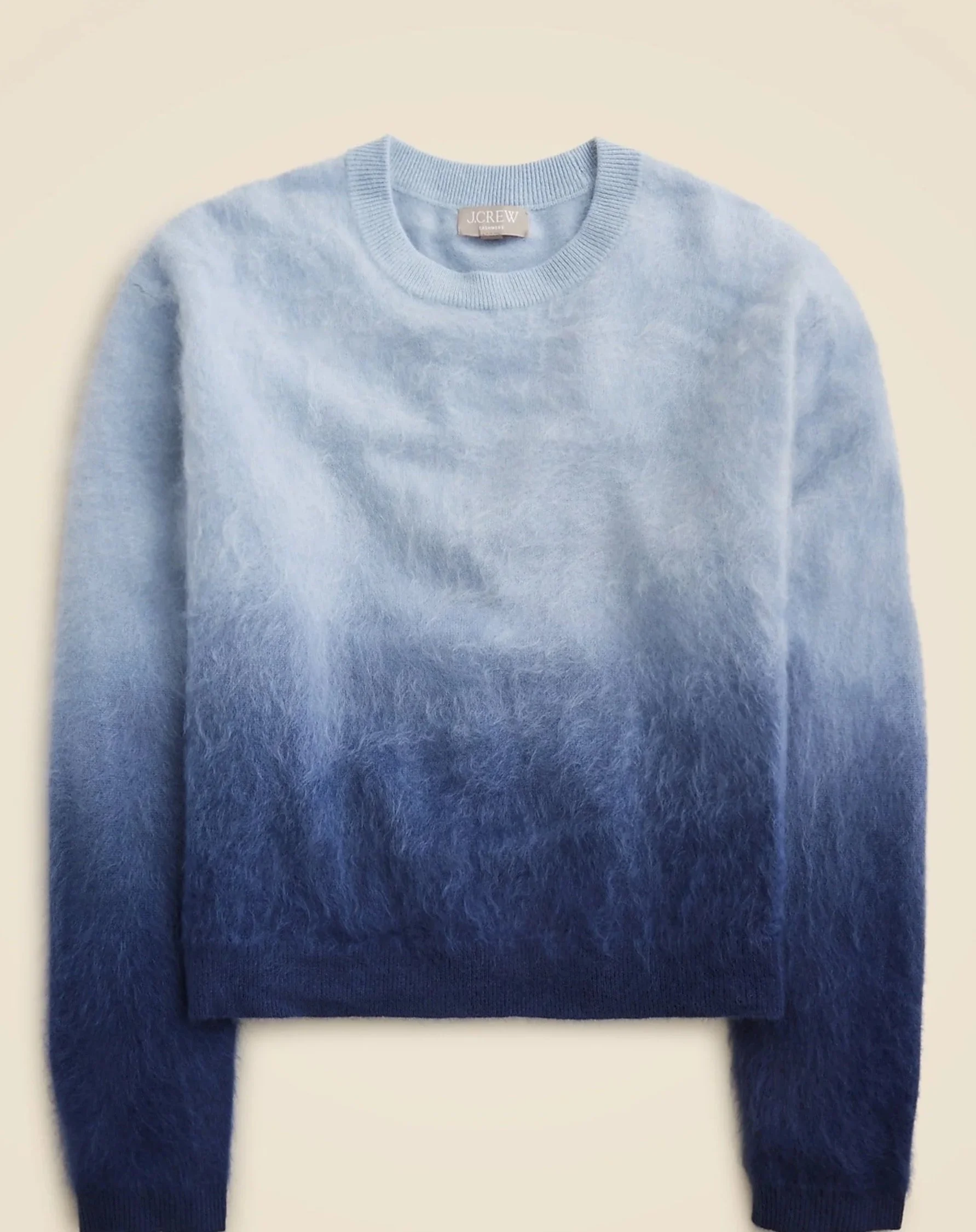
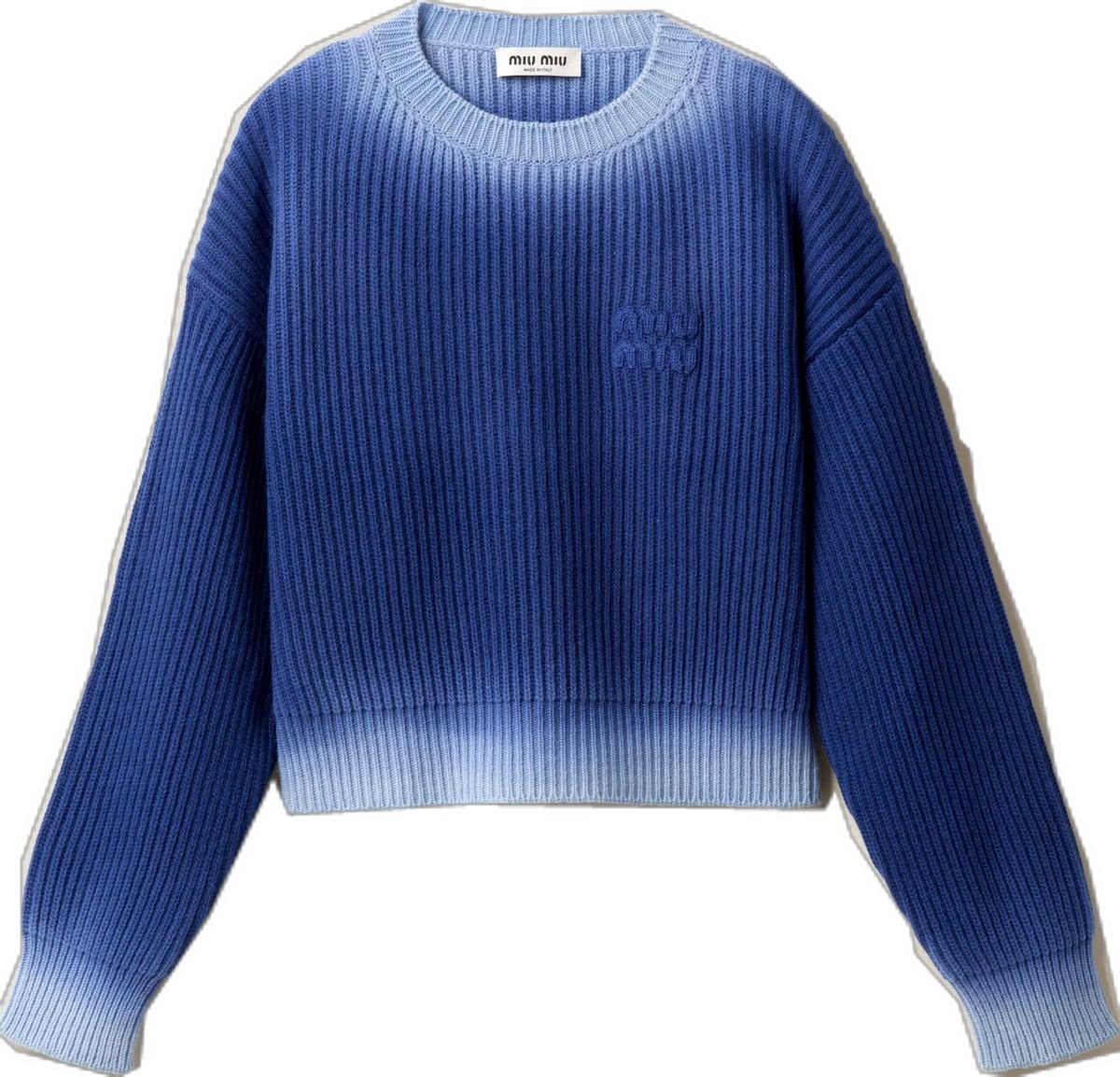
Dip dye
• Submerging part of a garment or fabric (knit panels) into a dye bath
Foil Printing
• The foil is pressed on the fabric with a hot steel roller or iron

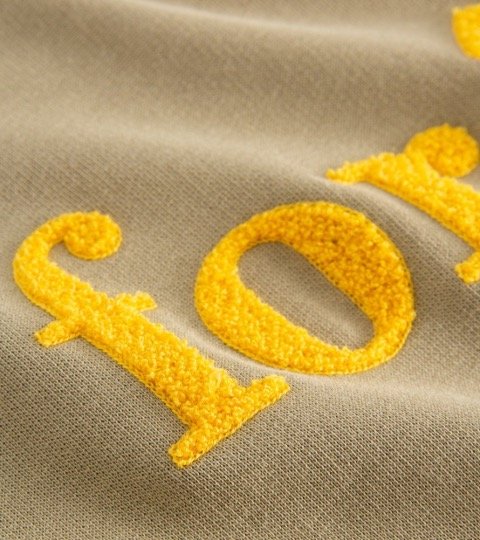
Flock Printing
• Flock printing applies adhesive and fine fibres to create a velvety texture.
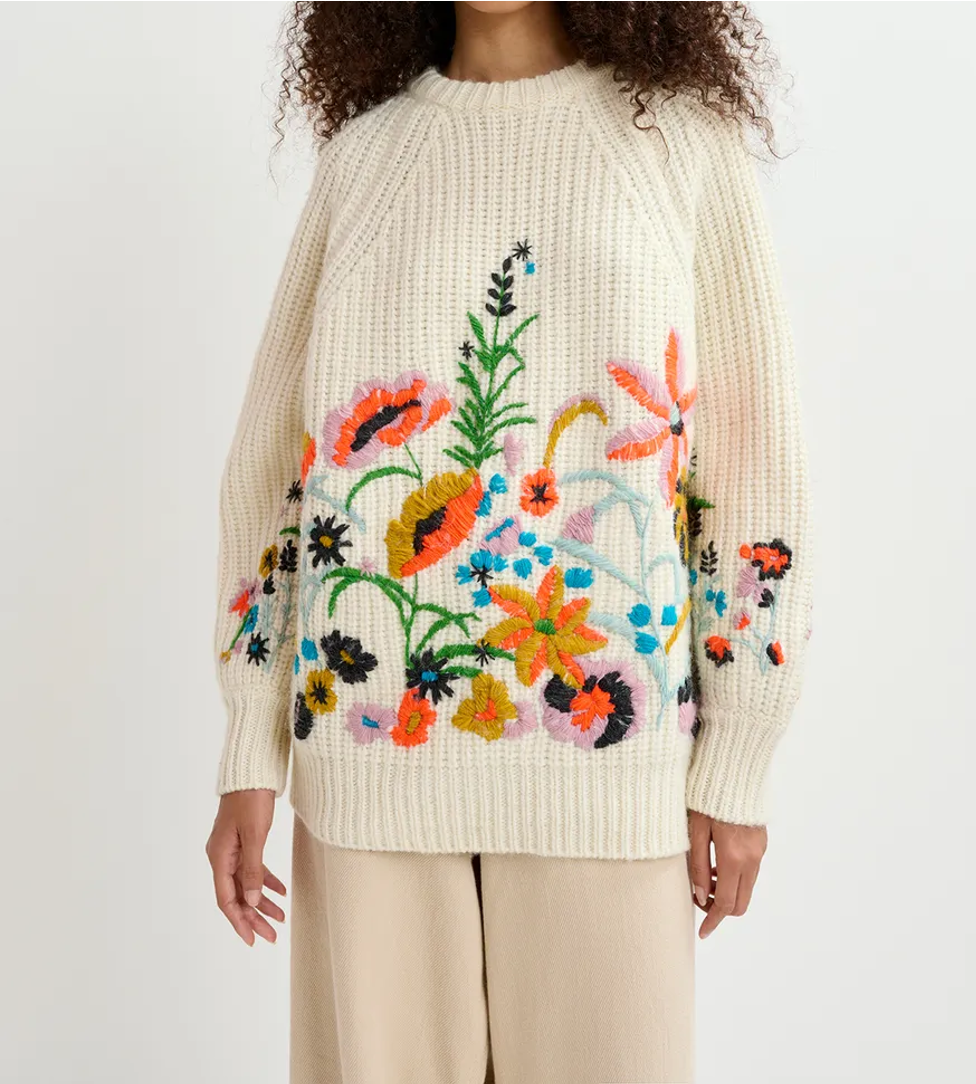
Embroidery
• Decorating material by stitching designs onto it with thread or yarn, often creating raised or textured patterns.
• Hand and industrial

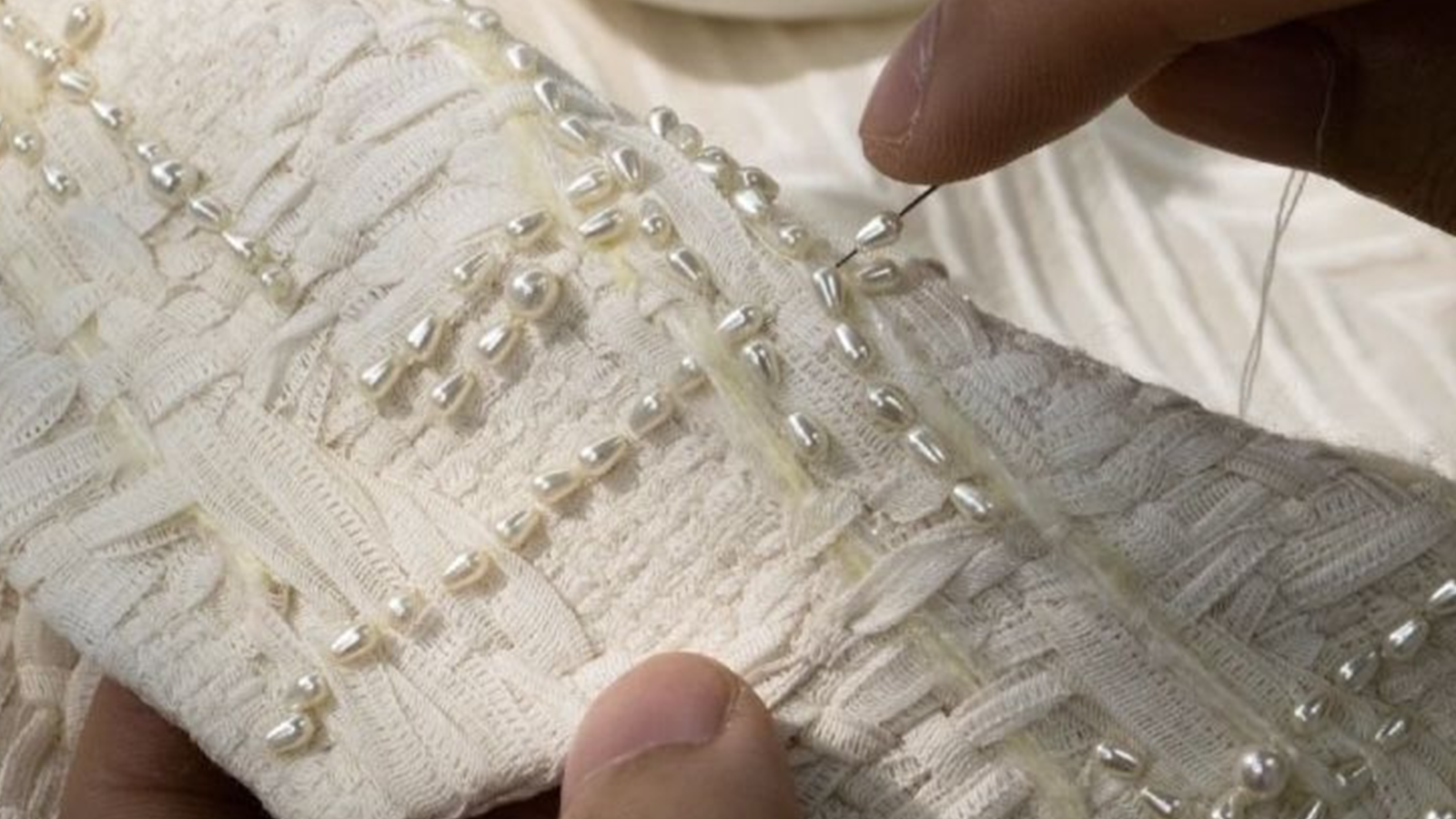
Beading
• Sewing beads onto fabric to create decorative patterns or embellishments
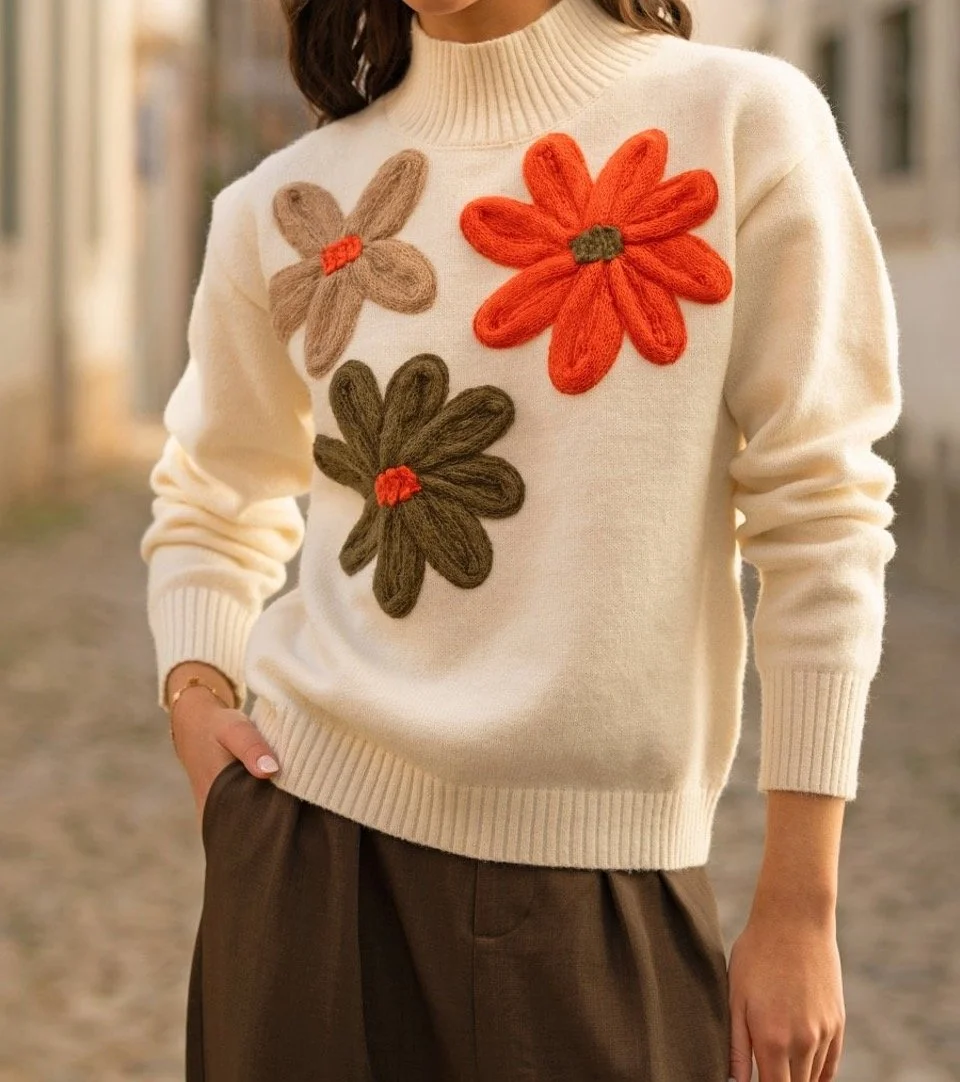
Applique
• Pieces of fabric are sewn or attached onto a base fabric to create decorative patterns or designs.
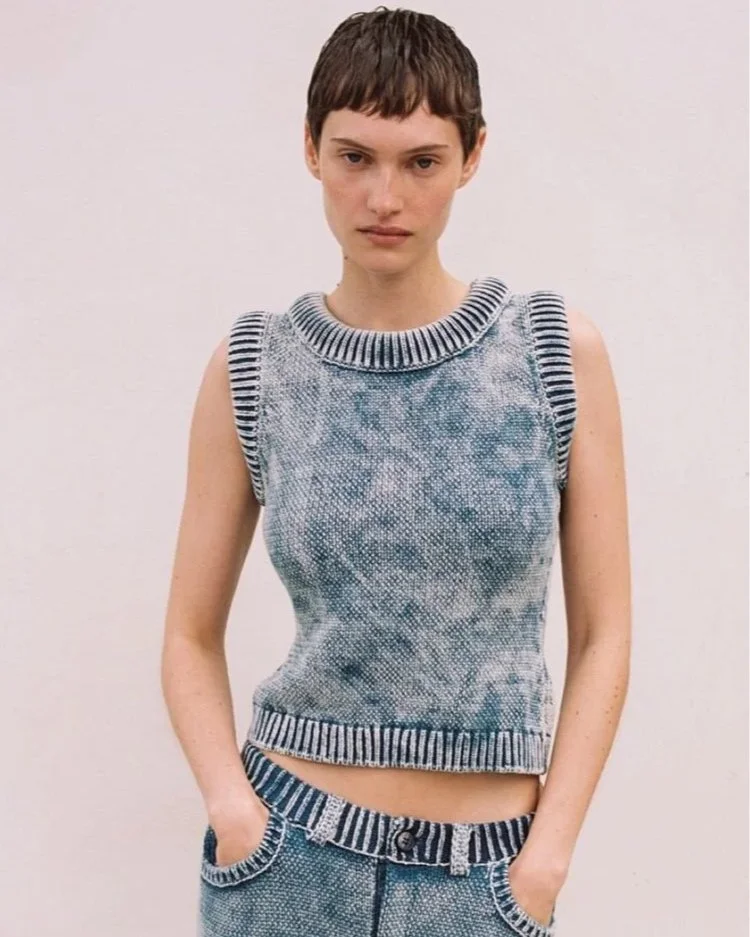
Bleaching
• Removes or lightens the colour of fabric to achieve a paler or uniform appearance.
Sandblasting
• Different kinds of sand are blown to garments with air pressure to rub out the colour.
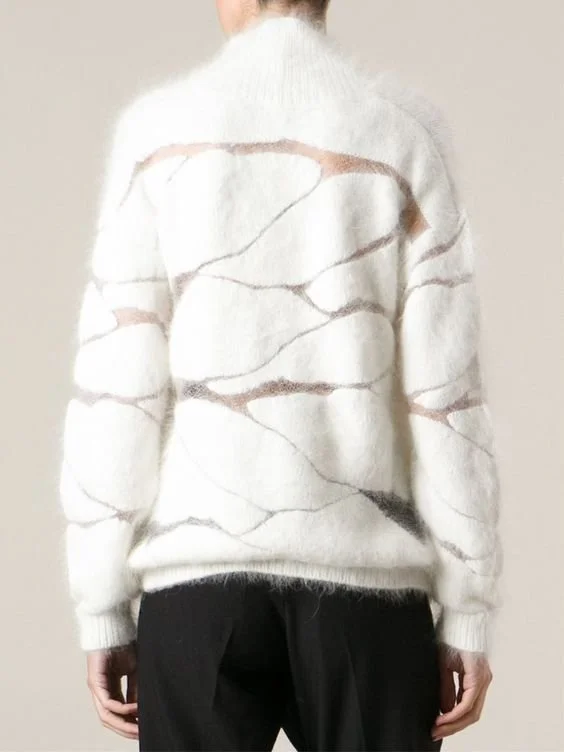
Burnout
• The technique uses acid to pattern-dissolve cellulose fibres in a knit, creating transparent areas
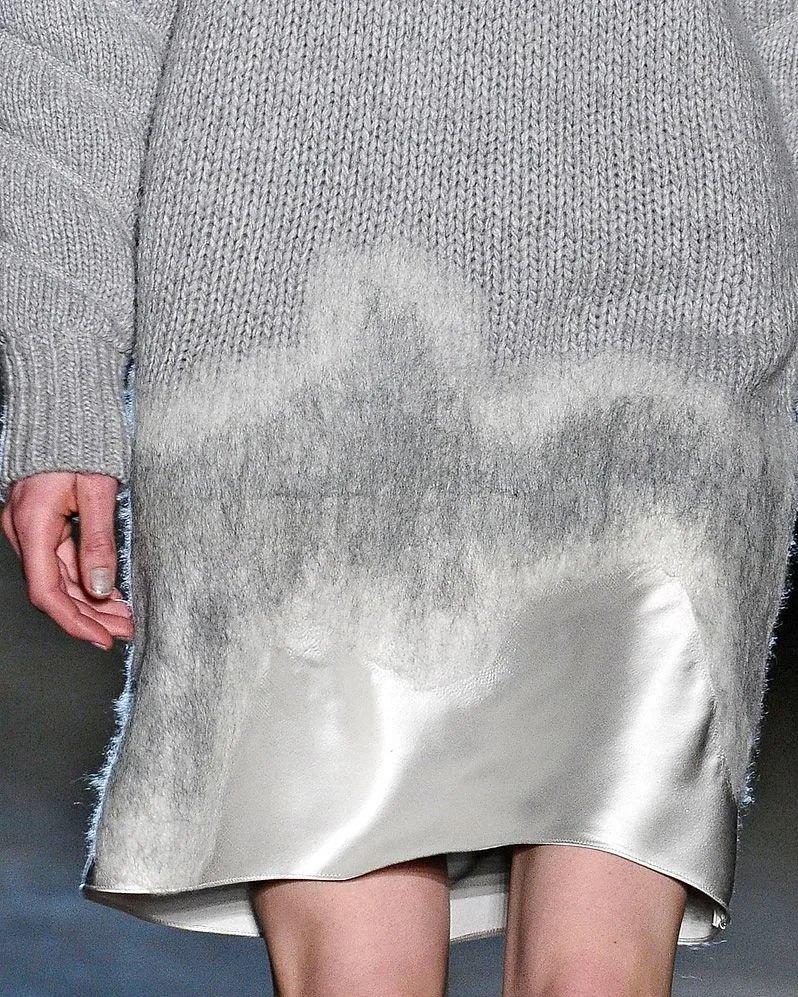
Felting
• Process that matts and compacts fibres together to create a dense, non-woven fabric or a textured surface.
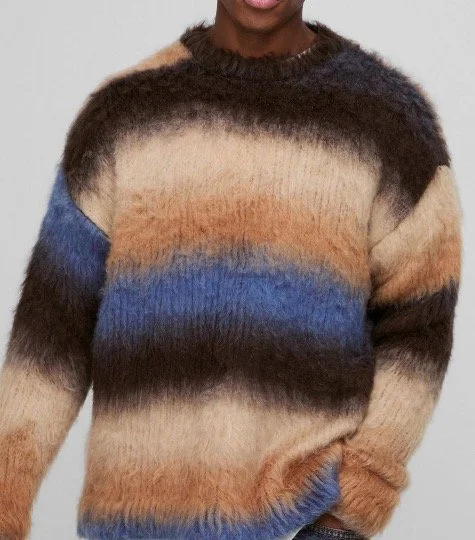
Brushing
• Raises the surface fibres to create a soft, fuzzy texture and improve warmth and hand feel.