

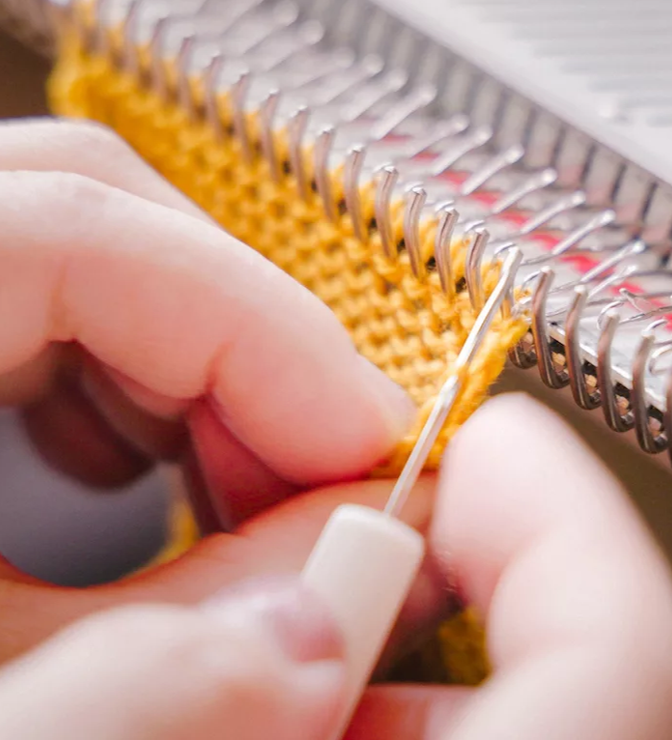
Optimize the development process
• Start with clear goals
• Streamline workflow
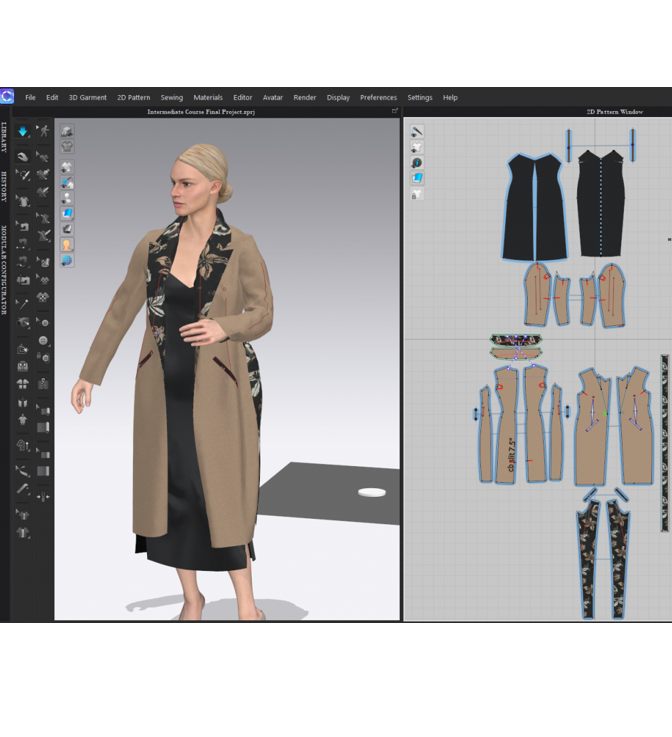
• Use digital design tools to reduce the number of samples
• Use known or existing styles as reference for shaping
• Send physical reference to the suppliers to avoid multiple samples
• Ask for pictures of the samples before shipping to avoid unnecessary shipment in case of a mistake
• Document best practices and work on improvements
• Use a clear and adequate BOM
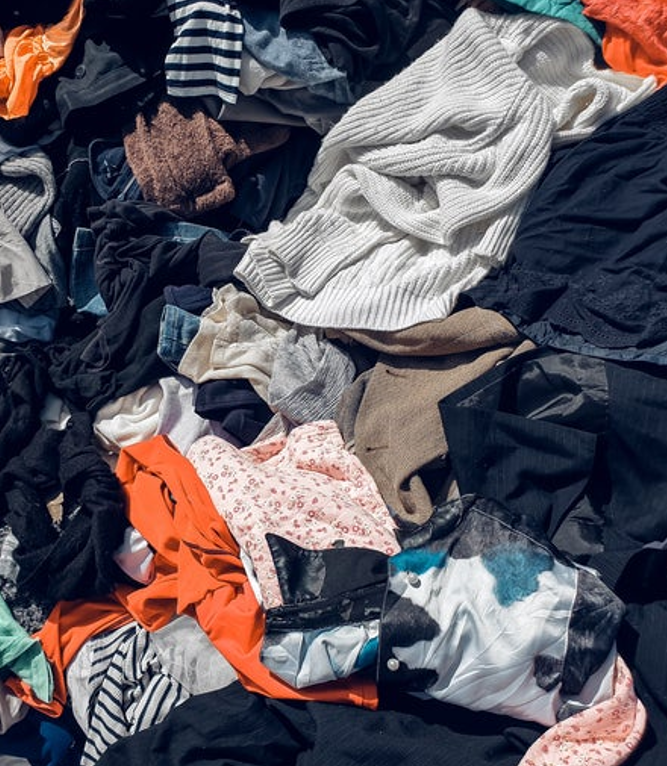
Avoid overproduction and waste
• Make small batches
• Do test drops
• Produce on demand / made to order models
• Reuse leftover material
Use new technologies
• Digital printing
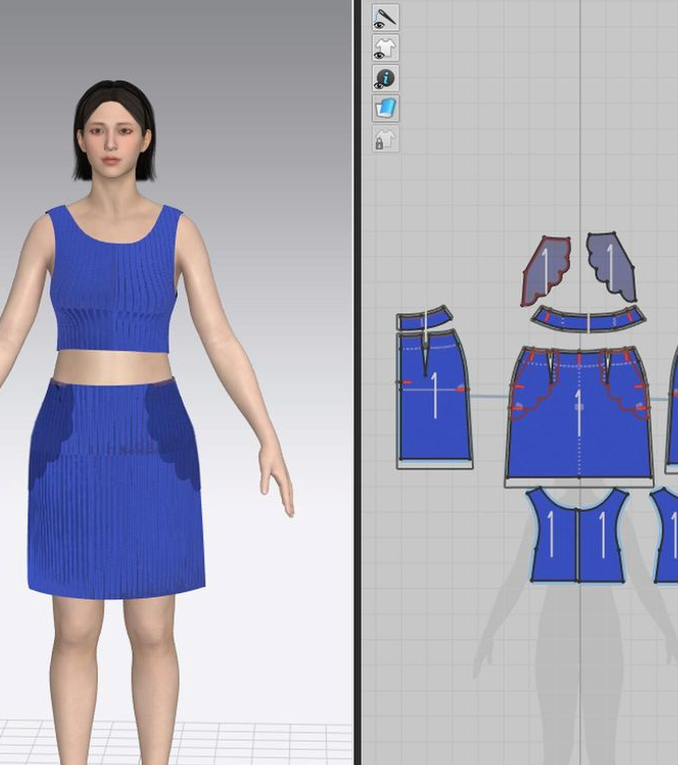
• Digital 3D sampling
Time management
• Plan production and delivery schedules early and realistically.
• Consolidate shipments
• Work with logistics partners offering eco-friendly transport options
• Choose for slower but more ecological transport when possible (Sea freight rather than Airfreight for production)
• Prevent urgent restocking.
• Build flexibility into timelines

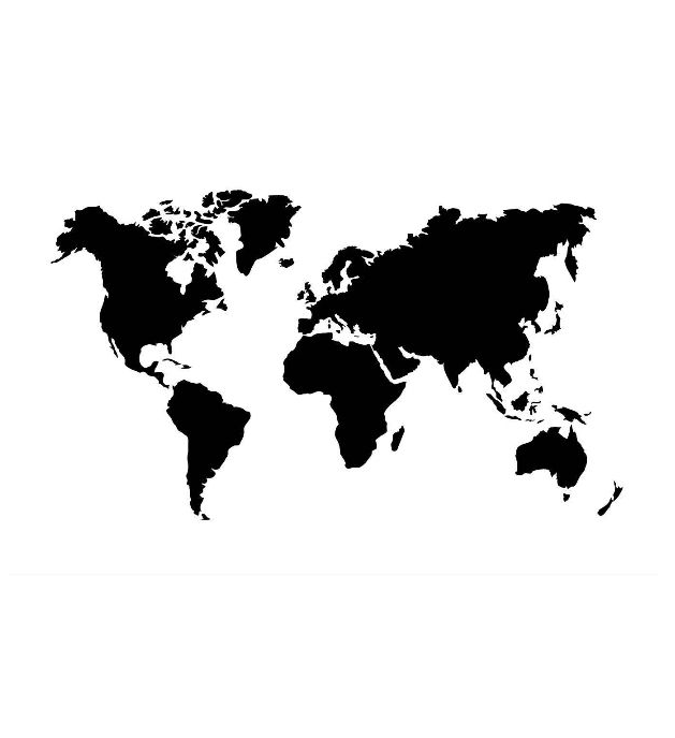
Production location
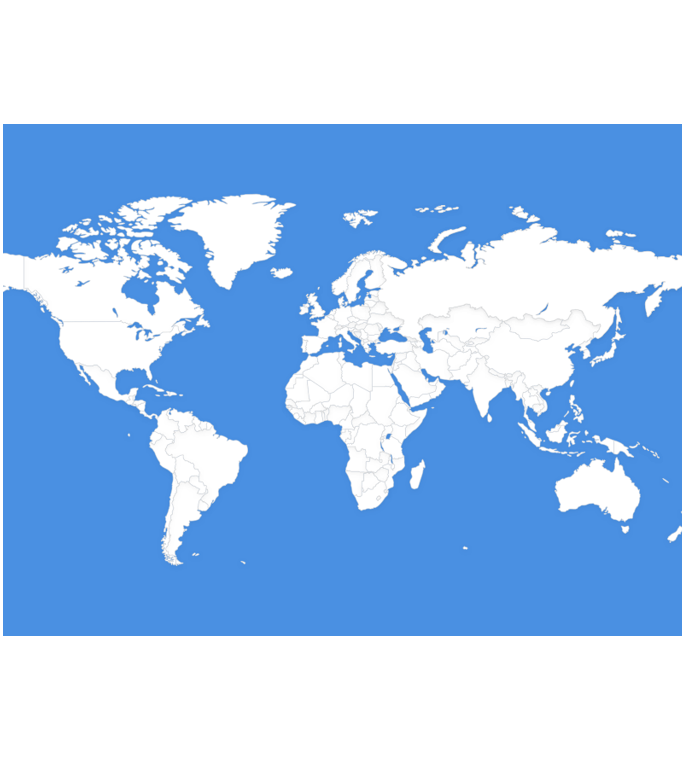
Make production chain as short as possible
Local production
• Shorter distances, less shipping
• Easier communication
• More options to close the loop
• Generates jobs
Offshore production
• Lower minimum wages
• More manufacturing options
Country of origin
• Keep country of origin in mind
To verify
• Environmental regulations
• Labor rights: safe working conditions, fair wages, no forced labour
• Access to renewable energy
• Local sourcing: reduce transport
• Certifications: fairtrade, WRAP
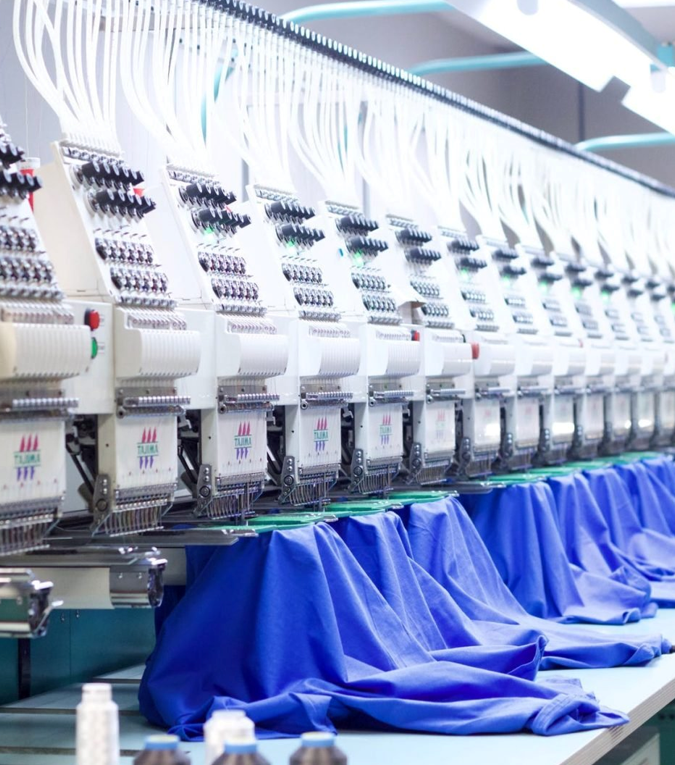
Production
Pay attention to
• The origin of used resources (water, energy, labour, materials)
• Responsible use of energy
• Minimal use of water
• Wastewater treatments and reuse

TOOLS FOR DESIGN AND PRODUCTION: Marketing and communication
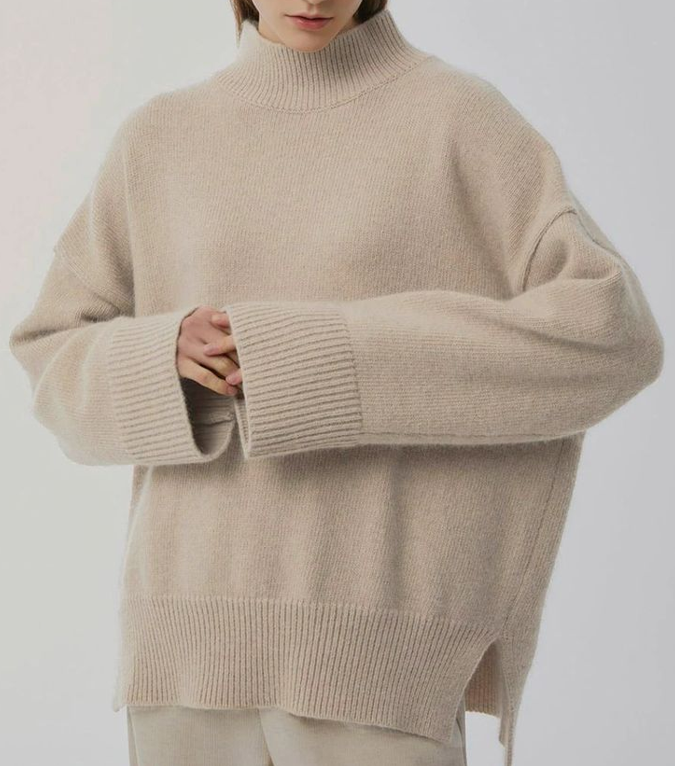
Communication
• Be transparent about costs and production
• Educate your costumer, explaining why a certified, well produced garment is costing more but will also last longer
• Differentiate your brand by emphasizing ethics and sustainability as value, not just cost.
• Discuss your choice of materials, your sustainability efforts and their results on social media, via direct mailings or on your website.
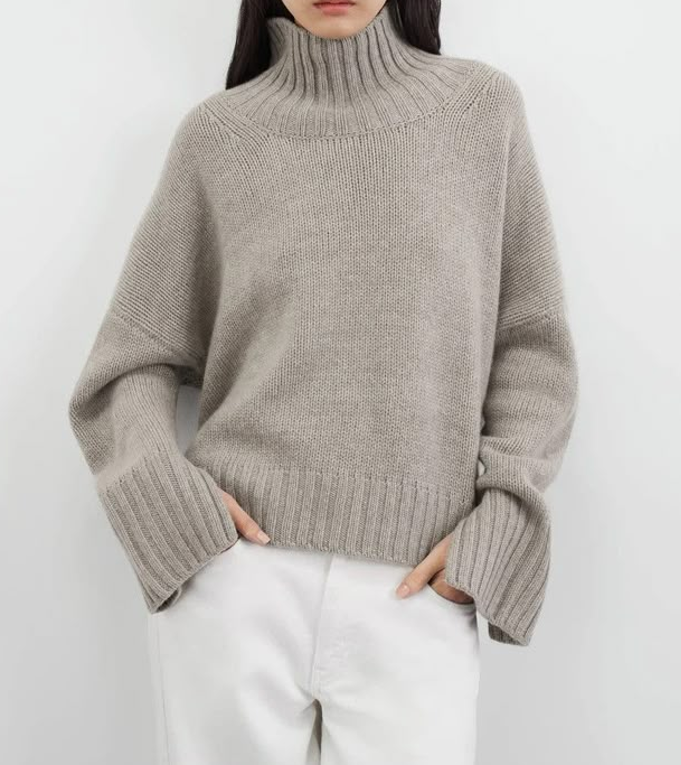
Care
• Communicate clearly
• Care to make piece last as long as possible
• How to wash
• How to store
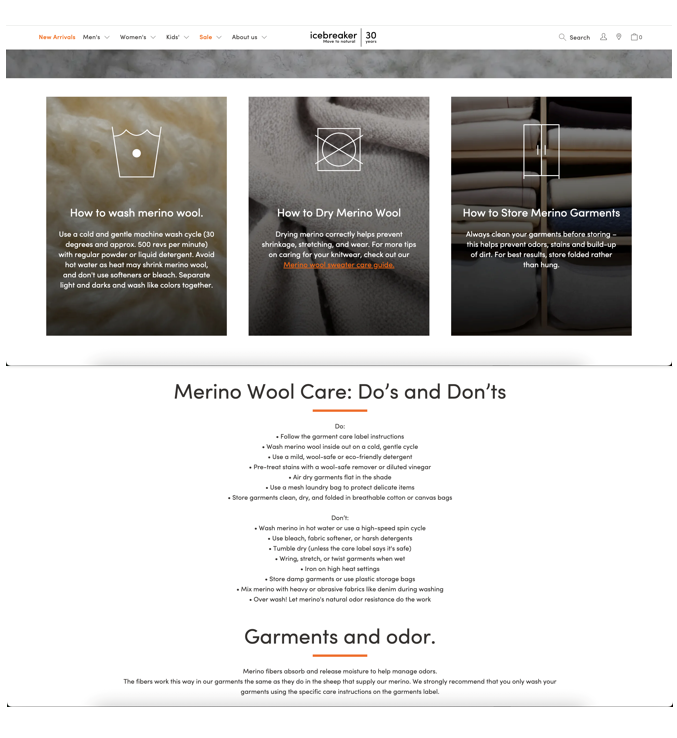
Example 1
• Short and concise
• https://www.icebreaker.com/en-be/caring-for-your-icebreaker.html
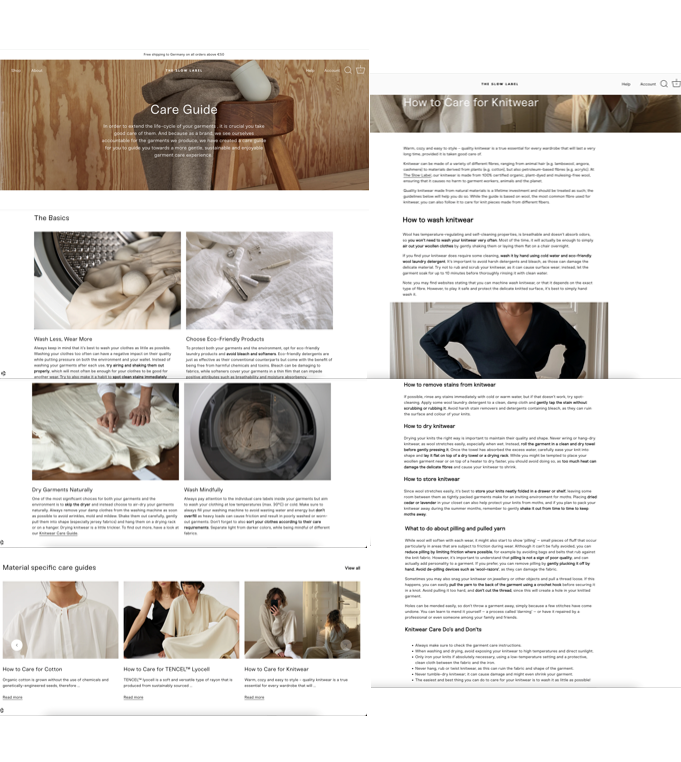
Example 2
• Detailed and extensive
• https://www.theslowlabel.com/pages/care-guide
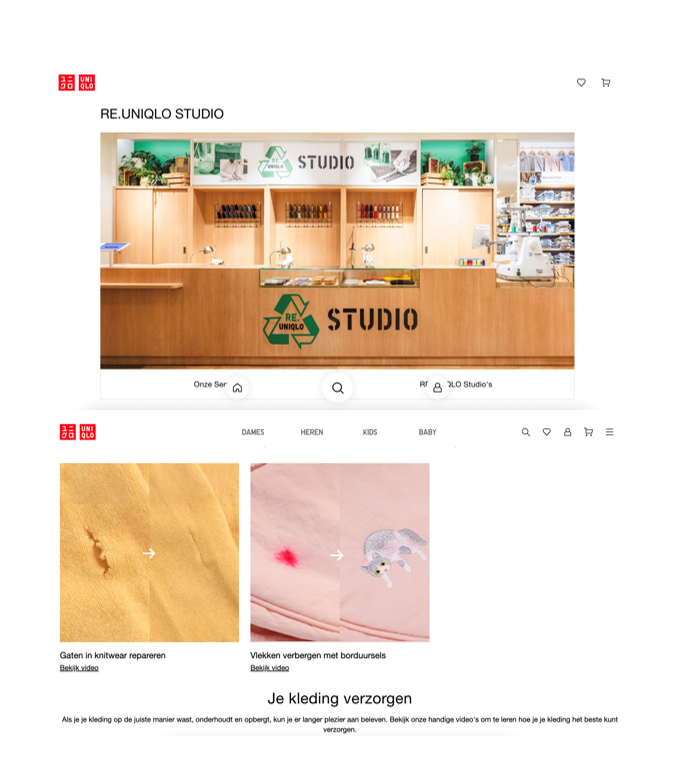
Repair and up-cycling guide
• Offer tutorials, workshops, or toolkits so customers can extend product life before recycling.
• https://www.uniqlo.com/be/nl/spl/repair-your-lifewear
TOOLS FOR DESIGN AND PRODUCTION: Case studies
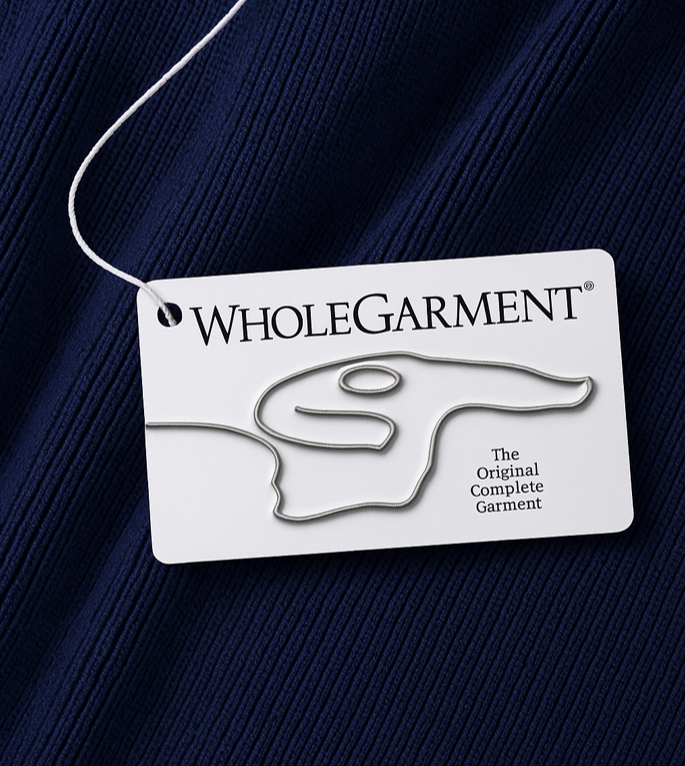
Wholegarment® Technology
• Challenge: Traditional knitwear production wastes yarn in cut-and-sew processes and overproduces stock.
• Innovation: WholeGarment® knitting machines create seamless 3D garments directly to shape, reducing offcuts and enabling on-demand manufacturing.
• Impact:
Up to 30% less material waste
Lower labour costs (fewer assembly steps)
Supports localized, small-batch production
Digital knit efficiency
• Challenge: Prototyping knitwear requires multiple samples, generating waste and slowing down development.
• Innovation: Advanced flat-knitting machines with digital patterning and simulation reduce physical sampling.
• Impact:
Fewer prototypes = less yarn waste Energy-efficient machines optimize production •Enables testing with new sustainable yarns
Circular knitwear
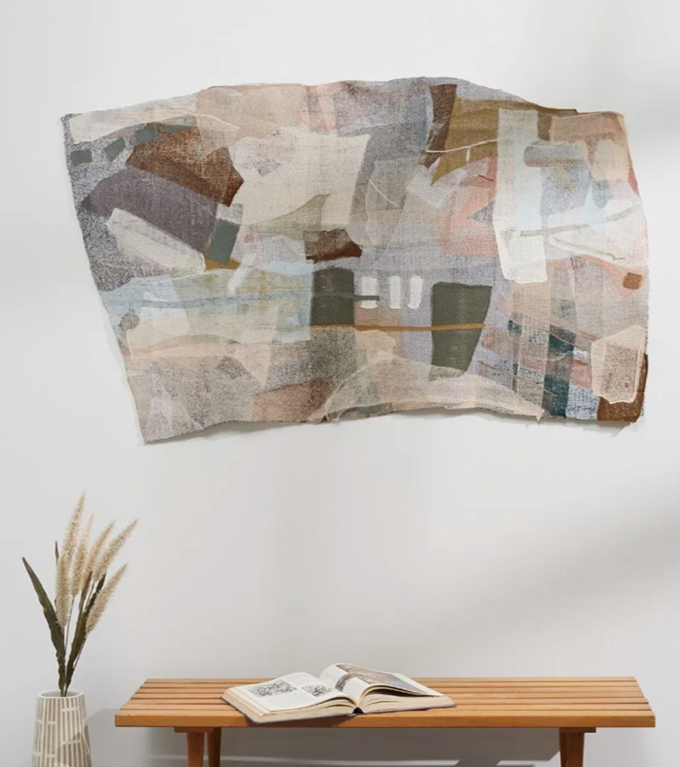
• Challenge: Knitwear often ends up in landfill despite its durability and timeless style.
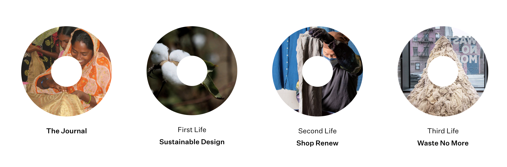
• Innovation: “Renew” program collects old garments → repaired, resold, or transformed into new products.
• Impact:
Thousands of knit pieces re-enter circulation annually
Extends life cycle of garments
Raises consumer awareness of circular design •https://www.eileenfisher.com/
Regenerative merino wool
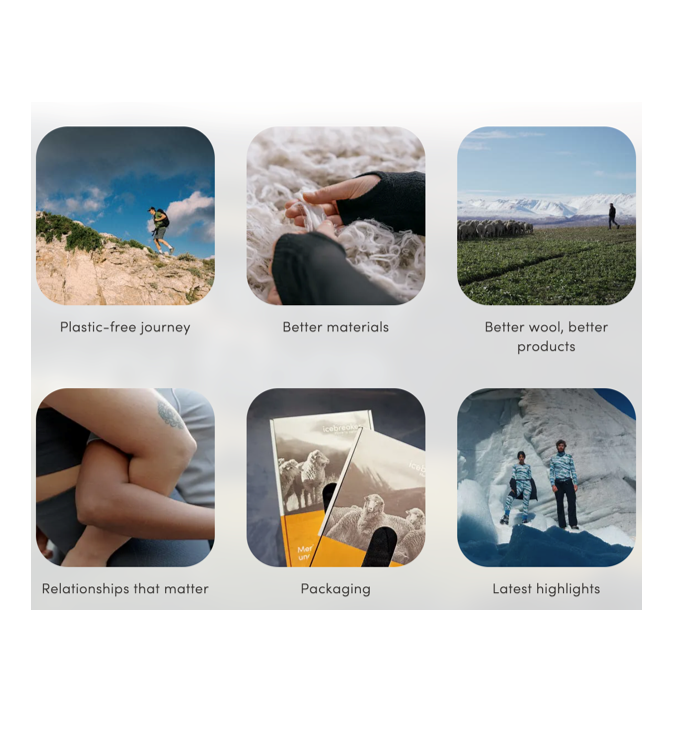
• Challenge: Synthetic fibres dominate activewear, causing microplastic pollution and traceability issues.
• Innovation: 100% natural Merino wool from regenerative, traceable farms, with long-term contracts supporting farmers.
• Impact:
Microplastic-free knitwear
Verified animal welfare and soil health practices
Transparent farm-to-garment traceability
Luxury knit innovation
• Challenge: Luxury knitwear often relies on resource-heavy cashmere and virgin synthetics.
• Innovation: Pioneering sustainable yarns: regenerated cashmere, ECONYL® nylon, and plant-based alternatives.
• Impact:
Dramatically reduces use of virgin fibres
Proves luxury and sustainability can coexist
Influences wider industry to adopt eco-innovations