SECTION 4
GARMENT FINISHING
EU legislation:
Mandatory:
• Fibre composition
• Manufacturer or importer identification
• Name / registered trademark and adress within EU
• Text in all the official national languages where the textile products are made available to the consumer.
Not mandatory, but recommended:
• Care instructions (ISO care symbols/Mandtory in some countries)
• Country of origin
• Size information
• Batch or production codes (International traceability)
• “contains non-texttile parts of animal origin”
Brand label attachement:
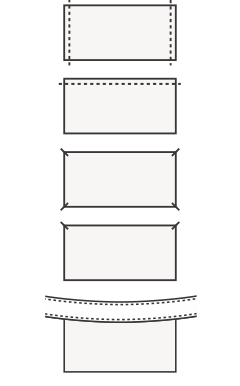
Attached on two sidesStitching on top
Stitching on top
Four corners
Top two corners
Sewn between neck tape or tubular finishing
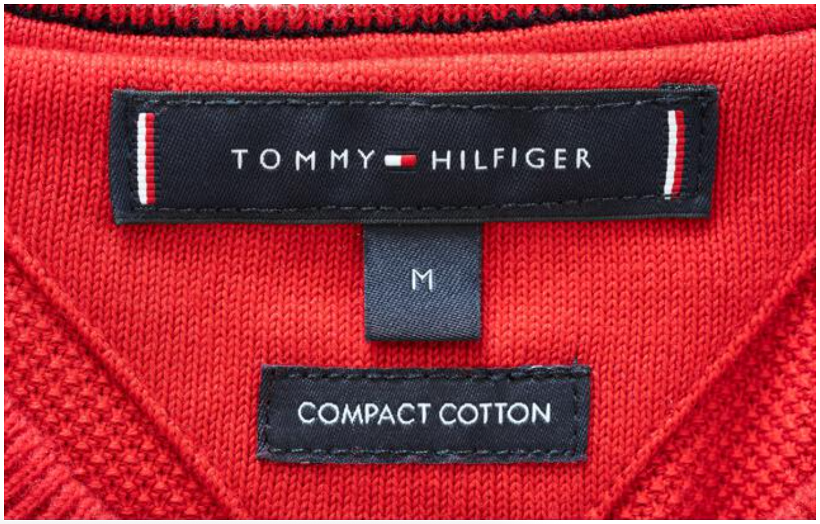
Brand label material:
Polyester damask
• Durable, cost-efficient, widely used.
• Nylon taffeta labels:
Lightweight, cheap, and fast to produce.
PVC or silicone patches
• Used in sportswear or kids wear.
Polyester satin
• Smooth, glossy, premium appearance.
Cotton twill or canvas labels
• Natural, sustainable, artisanal look.
Leather or faux leather patches
• Used in denim, knitwear, outerwear for a premium identity.
Embroidered patches
• High-end streetwear, outerwear, and heritage-inspired designs.
Polyester-cotton blends
• Balance of softness and durability.
Tyvek
• Paper-like but very strong, used in outdoor or technical garments.
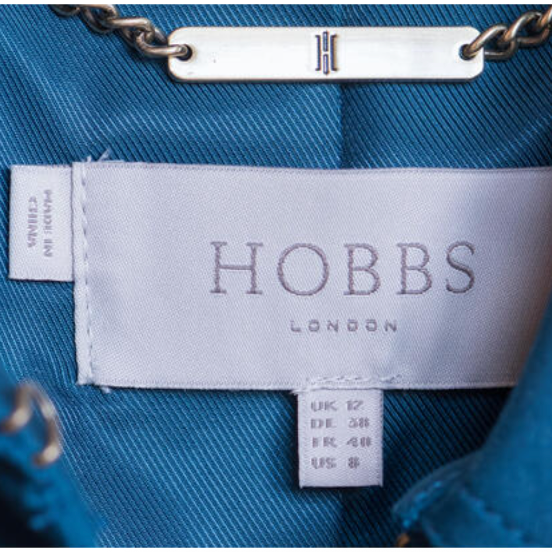
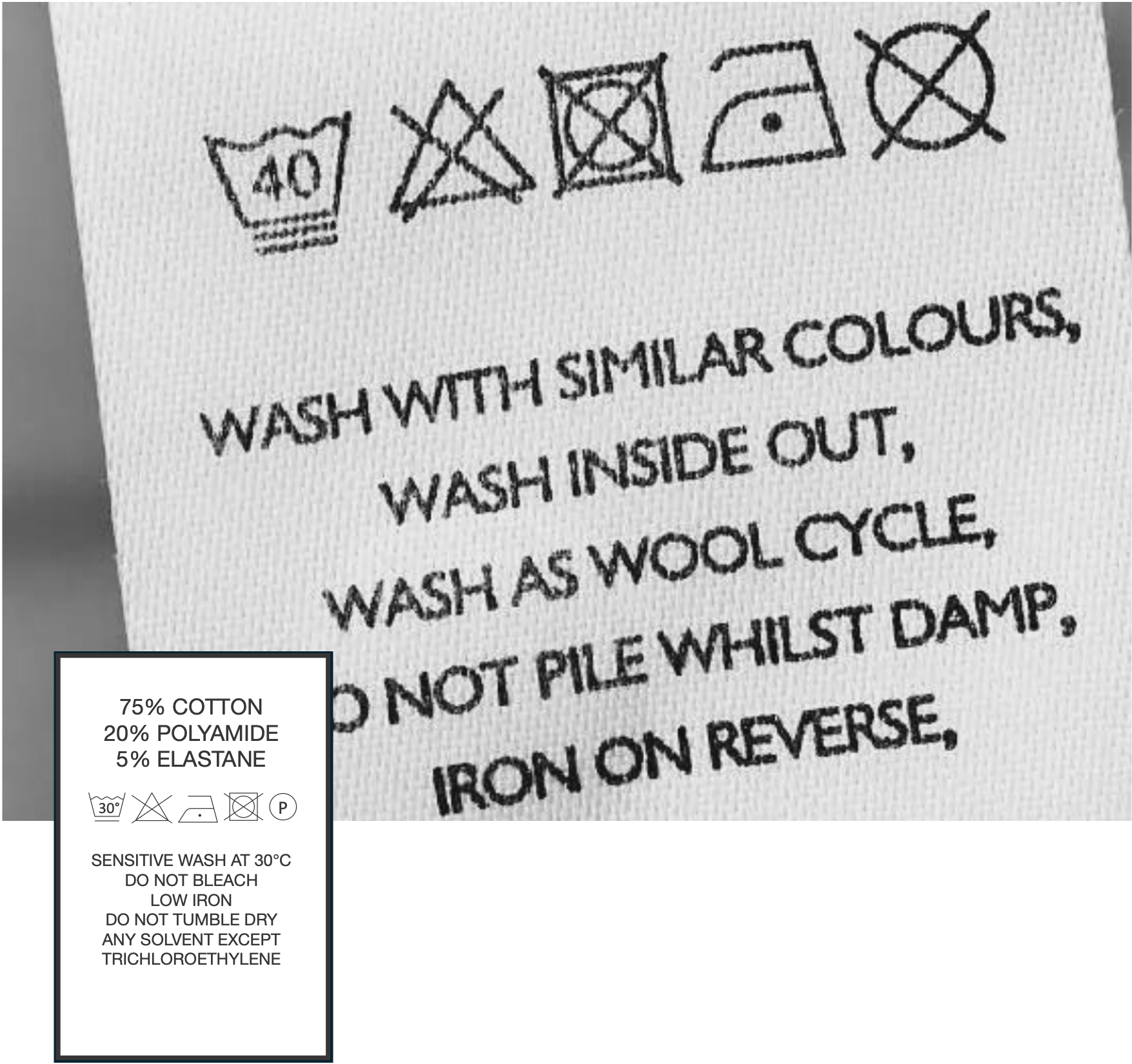
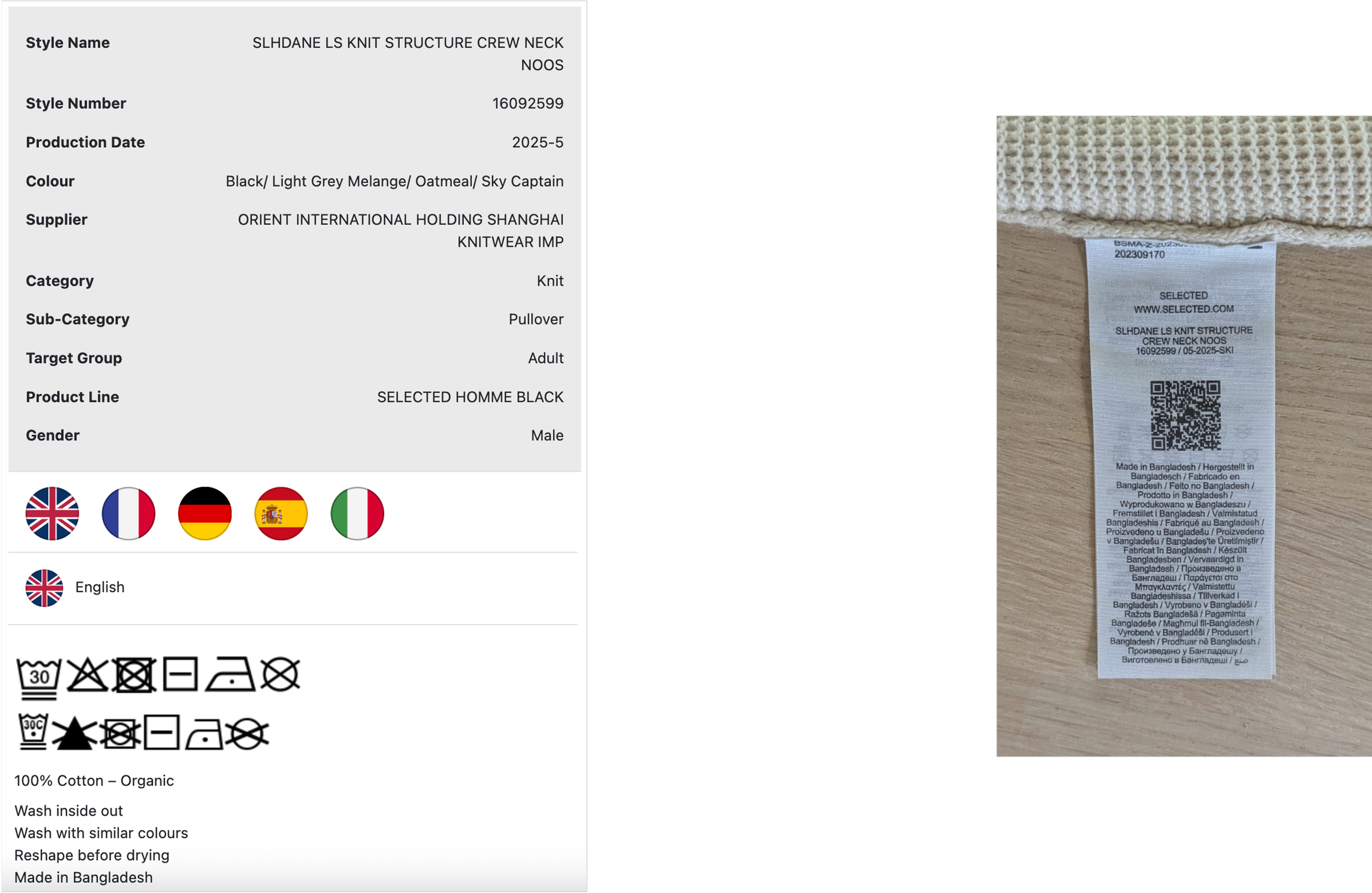
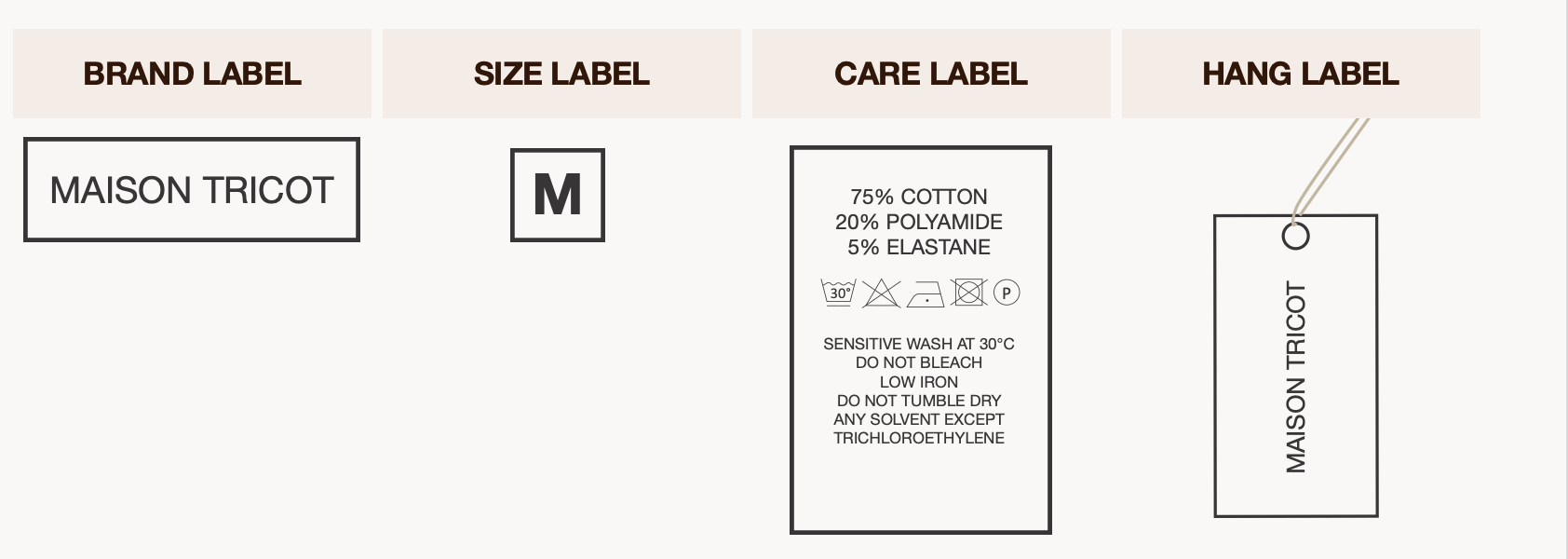
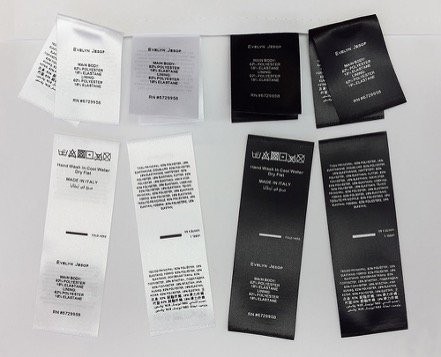
Care label:
Care label information:
• Fibre composition (highest to lowest)
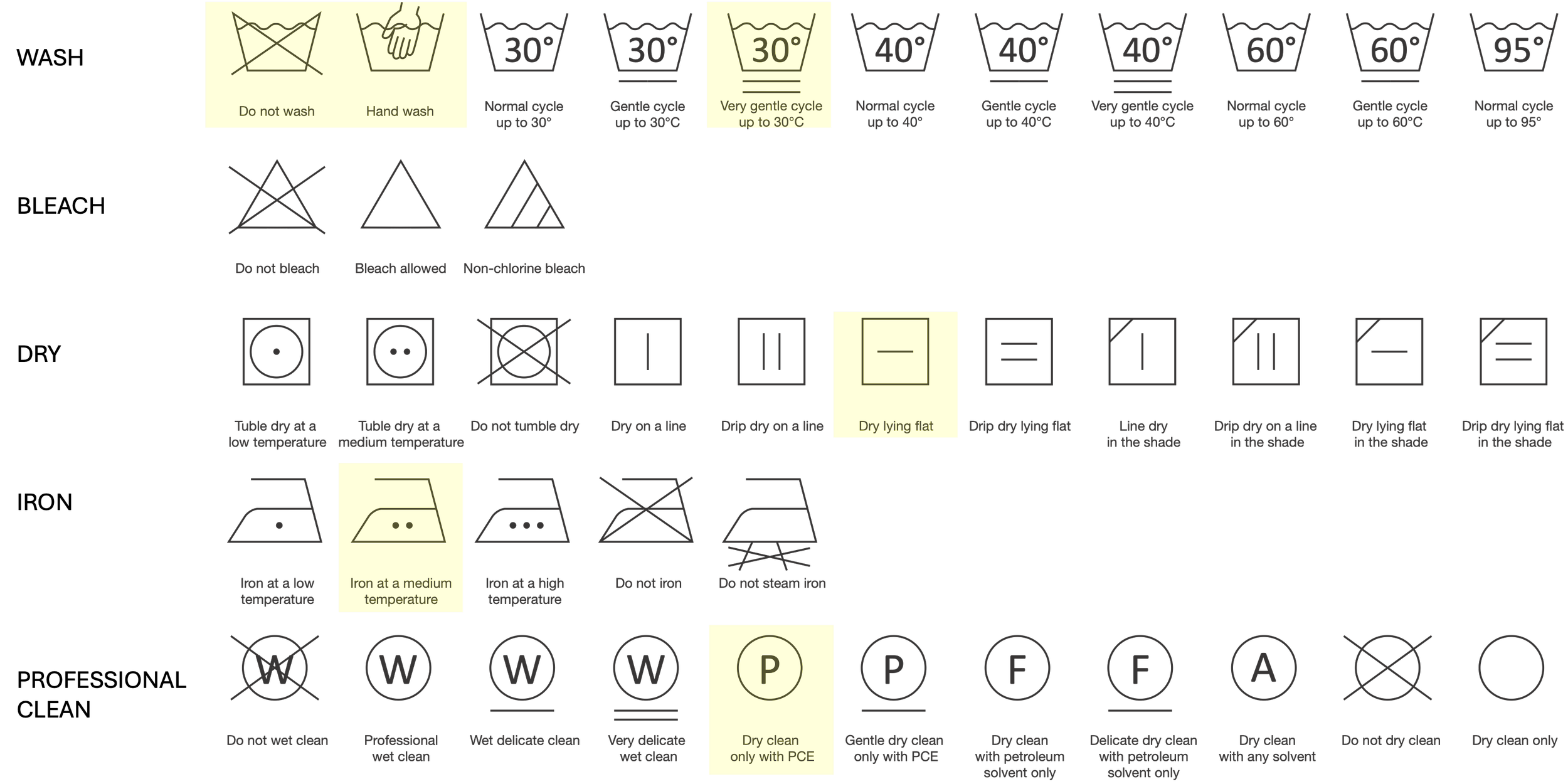
• Care symbols - GENETEX™
• Care instructions
• Country of origin…
in all the official national languages where the textile products are made available to the consumer.
https://eur-lex.europa.eu/legal-content/EN/ALL/?uri=CELEX:32011R1007#d1e32-12-1
Care label material:
Nylon taffeta
Strong, matt, stiff. Most used material for standard textile labels, offering great printing quality and competitiveness. Matr, stiff
Polyester taffeta
Used for garments that need high level of resistancePolyester satin
Smooth, soft, shiny, ideal for skin contact, often used for premium garments.
Cotton
Softer, natural feel, less durable in heavy washing, often used in sustainable garments.
Polyester-cotton blends:
Balance of softness and durability.
Tyvek
Paper-like but very strong, used in outdoor or technical garments.
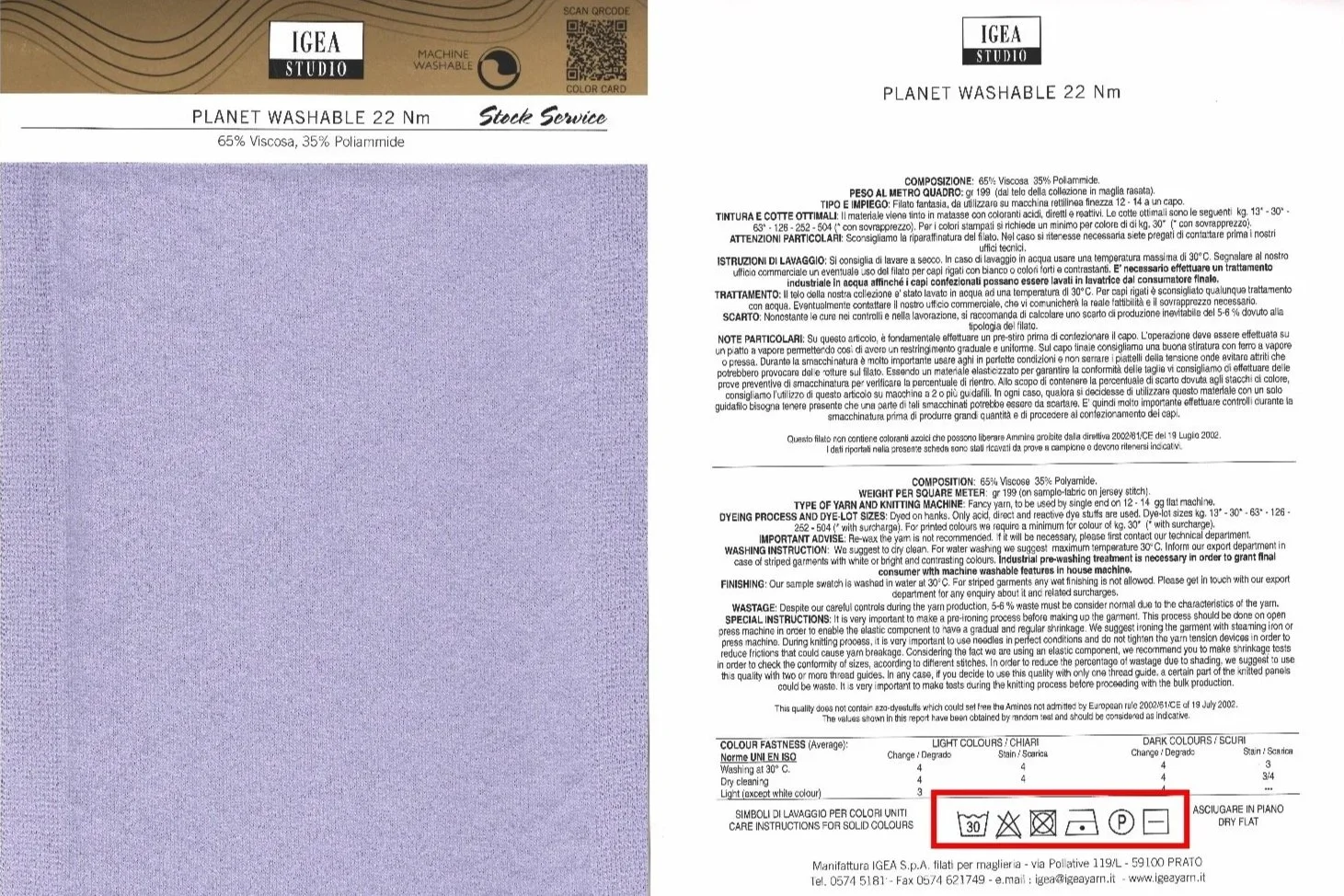

Case studie
Luxury yarn
• Hand wash with cold or lukewarm water
• Use wool-friendly detergent
• Avoid harsh chemicals like bleach
• Gently press out excess water
• Avoid wringing or twisting
• Lay flat to dry
• Steam iron

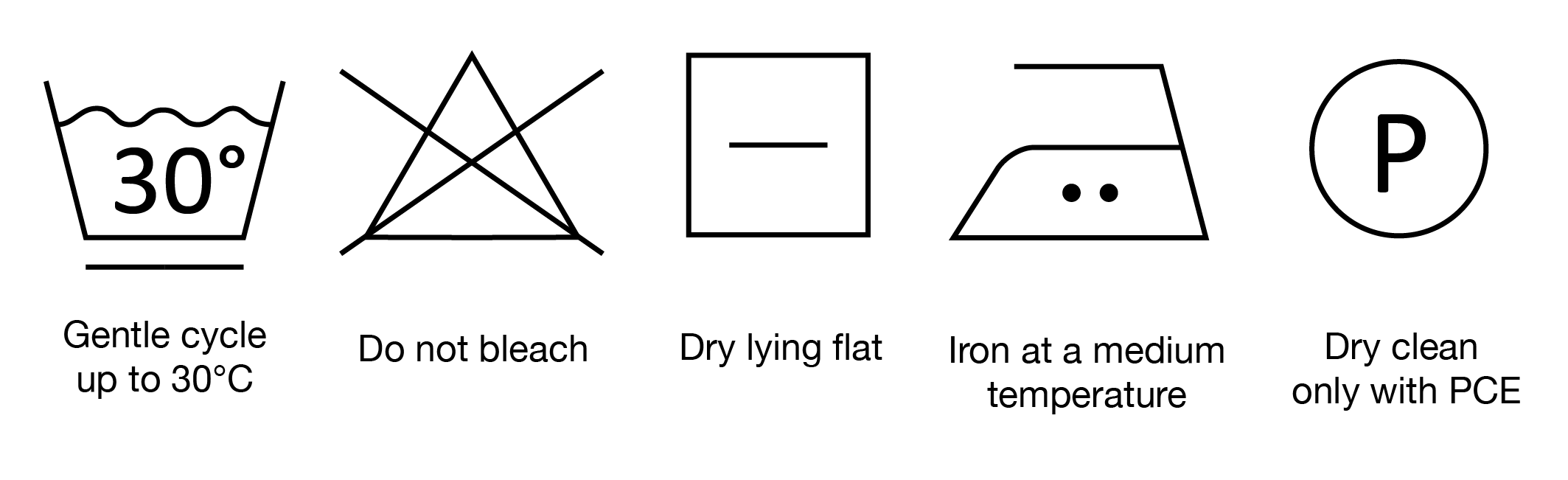
Mid segment yarn (blends):
• Machine wash on wool cycle
• Use wool-friendly detergent
• Avoid harsh chemicals like bleach
• Avoid wringing or twisting
• Lay flat to dry
• Steam Iron
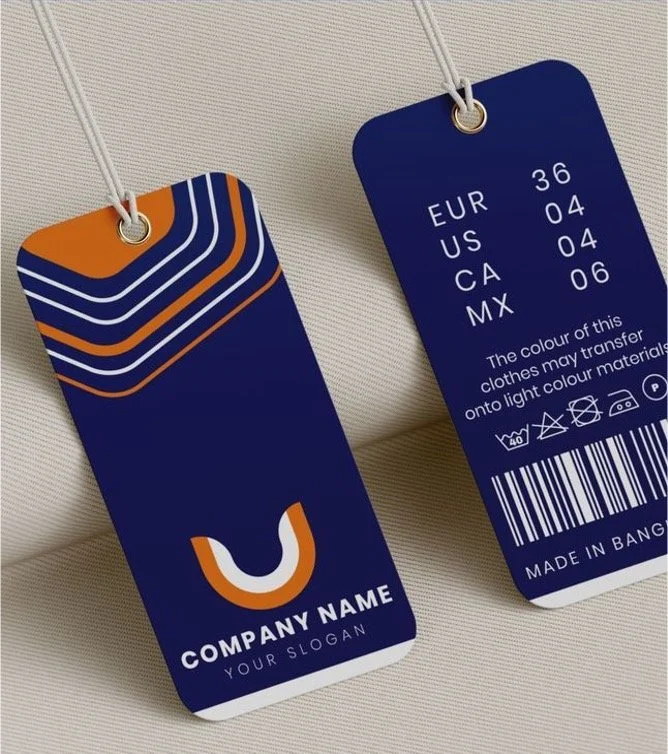
Hangtag:
• Price
• Barcode
• Size
• Brand name + logo
• Certifications
• Website
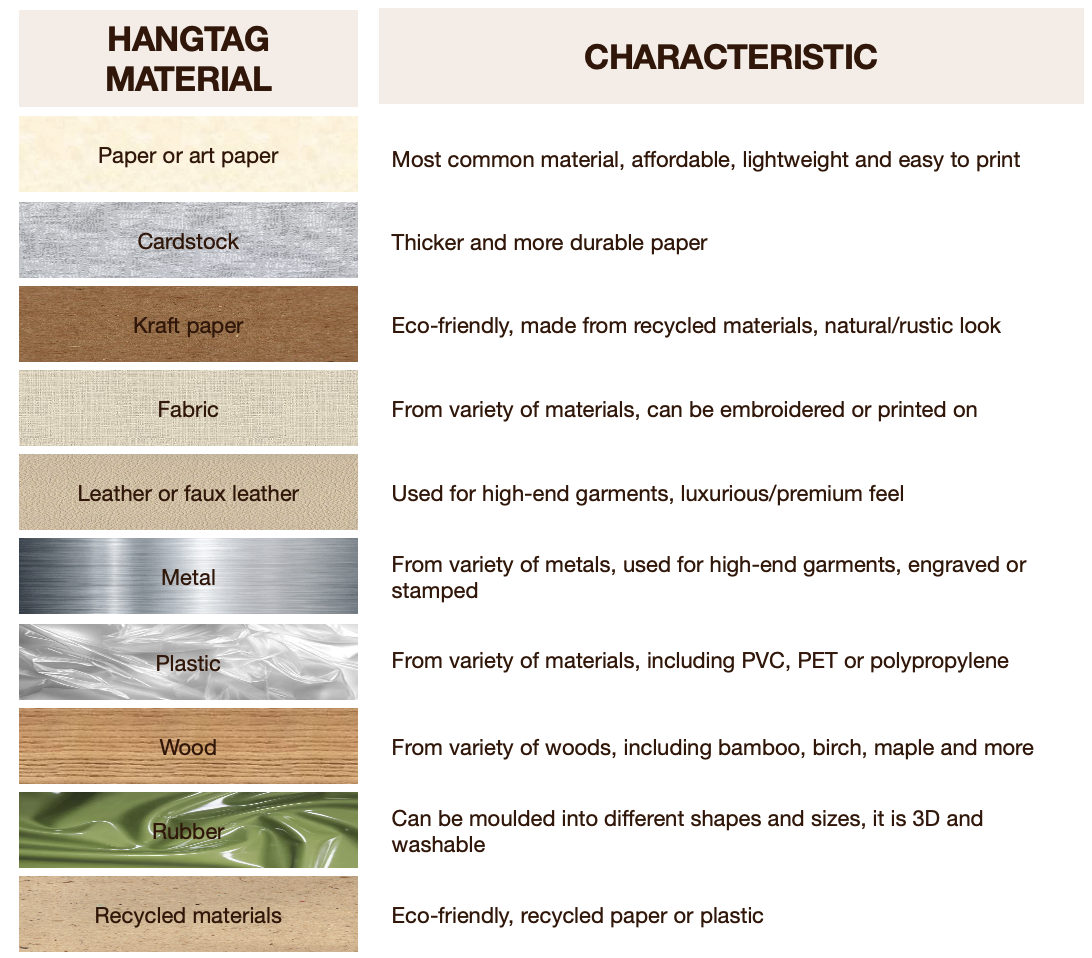
Hangtag attachement:
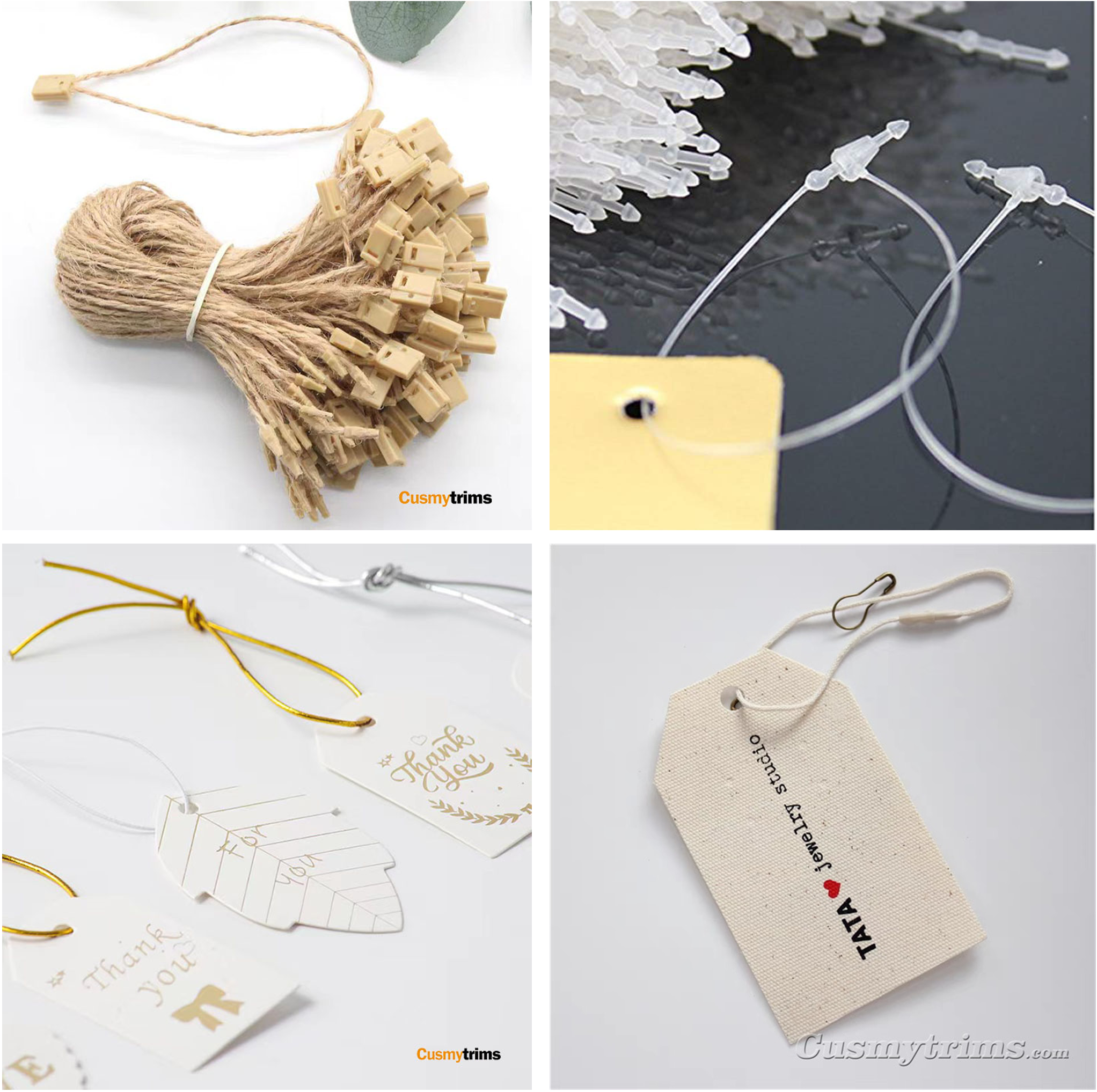
• String Materials :
plastic, cotton, polyester, ribbons, jute, elastics, leather, metal materials
• String attachment :
Knot, safety pin, snap lock, box lock,
Hangtag location:
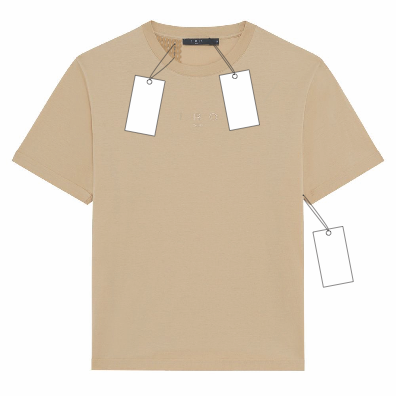
On the neck
• Easy to keep it visible while packed
• For loose knits : Through many stitches (safer than only around one stitch, otherwise can be pulled and damage the knit)
• On the label, with a safety pin on the label or a cord passing around it. ( no risk of damaging the knit)
Under armpit
• No risk of damaging the tag during transport
Digital product passport (DPP):
• Rollout 2027, widespread adoptation 2030
• EU regulation: all products sold in Europe
• Digital recort for product lifecycle
• NFC chip, QR code, RFID tag
• When and where product is sold
• Repairs / replacements
• Ownership changes
Updates