
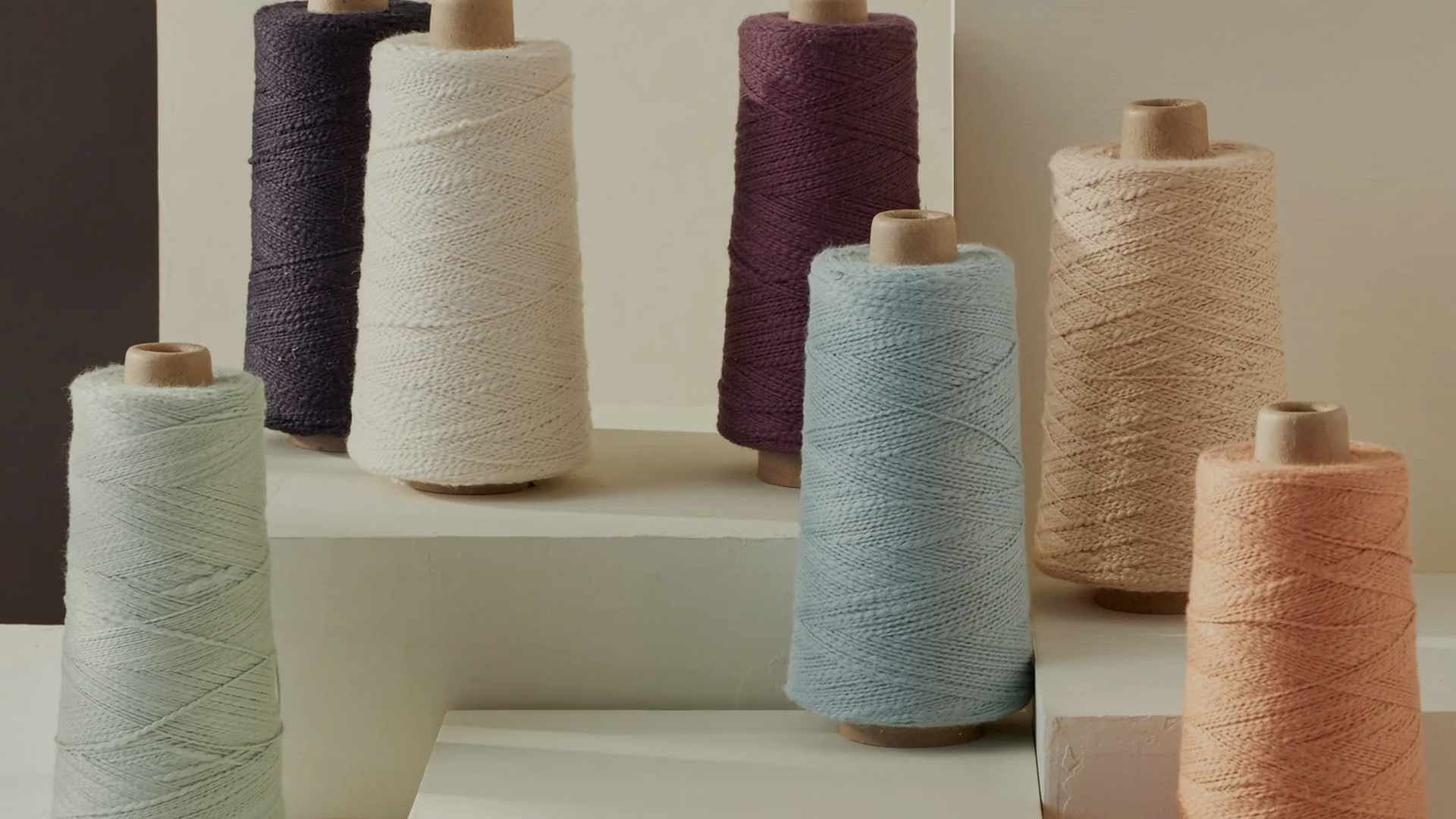
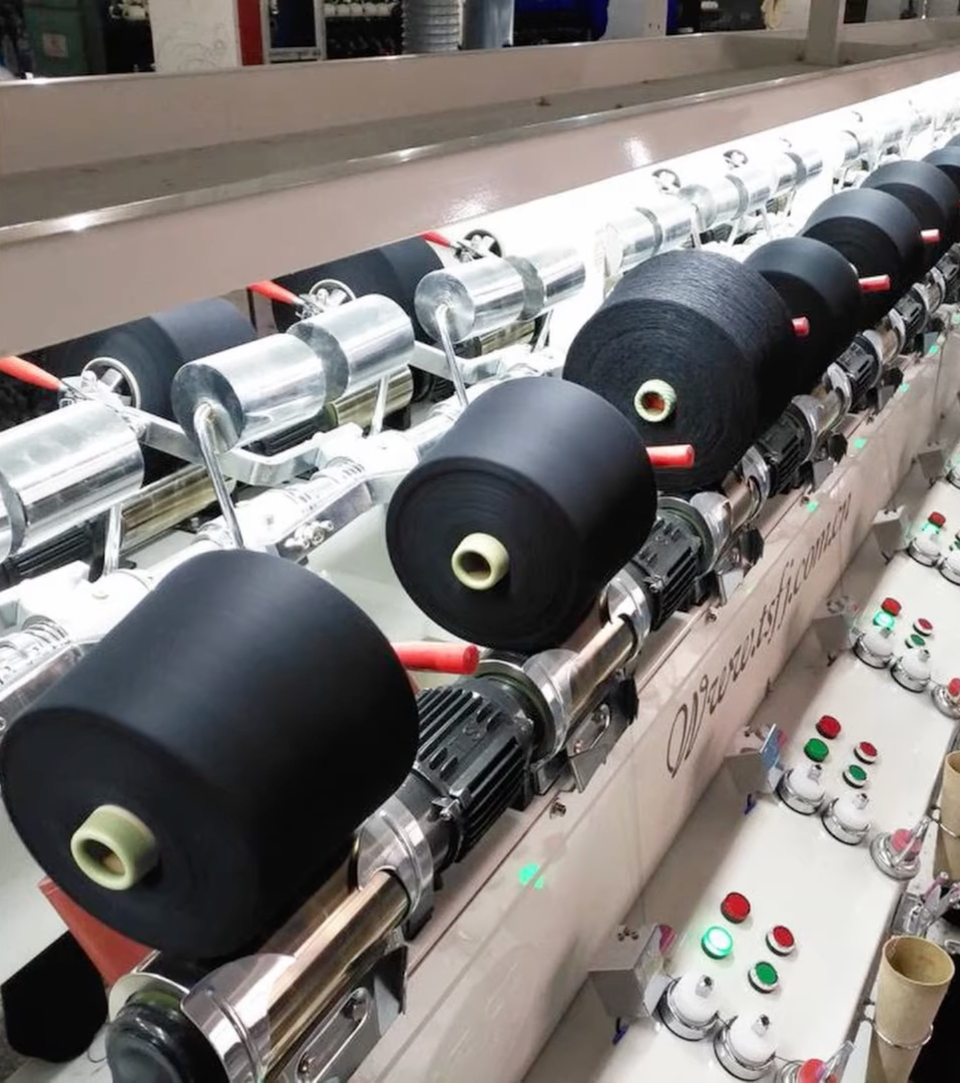
WAXING
Process
• Paraffin is applied during the winding of the yarns
• Makes the yarn easier to knit, avoids breakage
Drawbacks
• Can stiffen yarn, affect softness, and cause uneven dyeing
Benefits
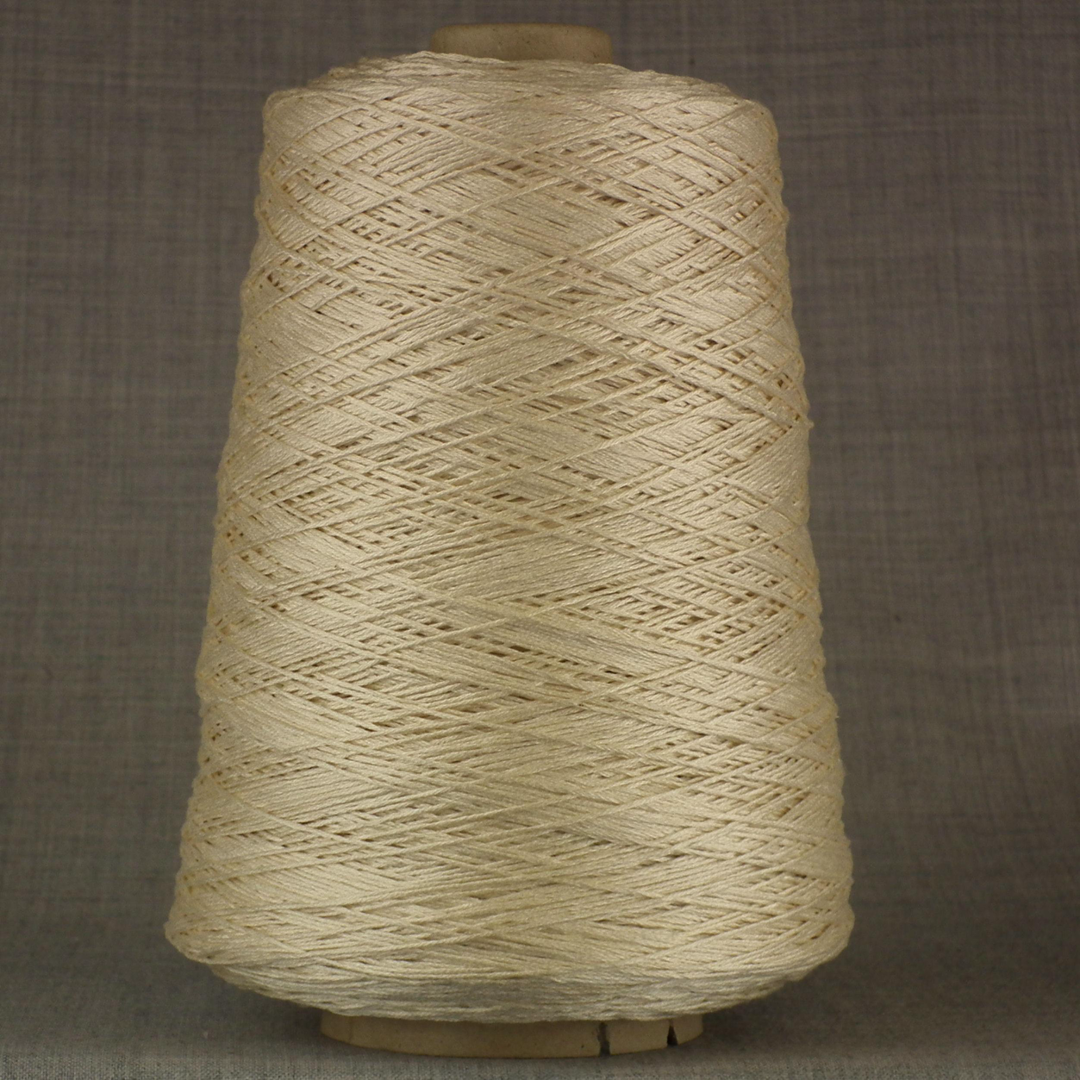
MERCERIZATION
• Cotton yarn
• Treated with a concentrated sodium hydroxide (caustic soda) solution while under tension,
• Neutralized with an acid bath.
Process
• Increases strength (~25% stronger)
• Smoother surface and silky sheen.
• Better dye uptake
• Improved dimensional stability, less shrinkage
Benefits
• More expensive
• Can make yarn less absorbent and less breathable
Drawbacks
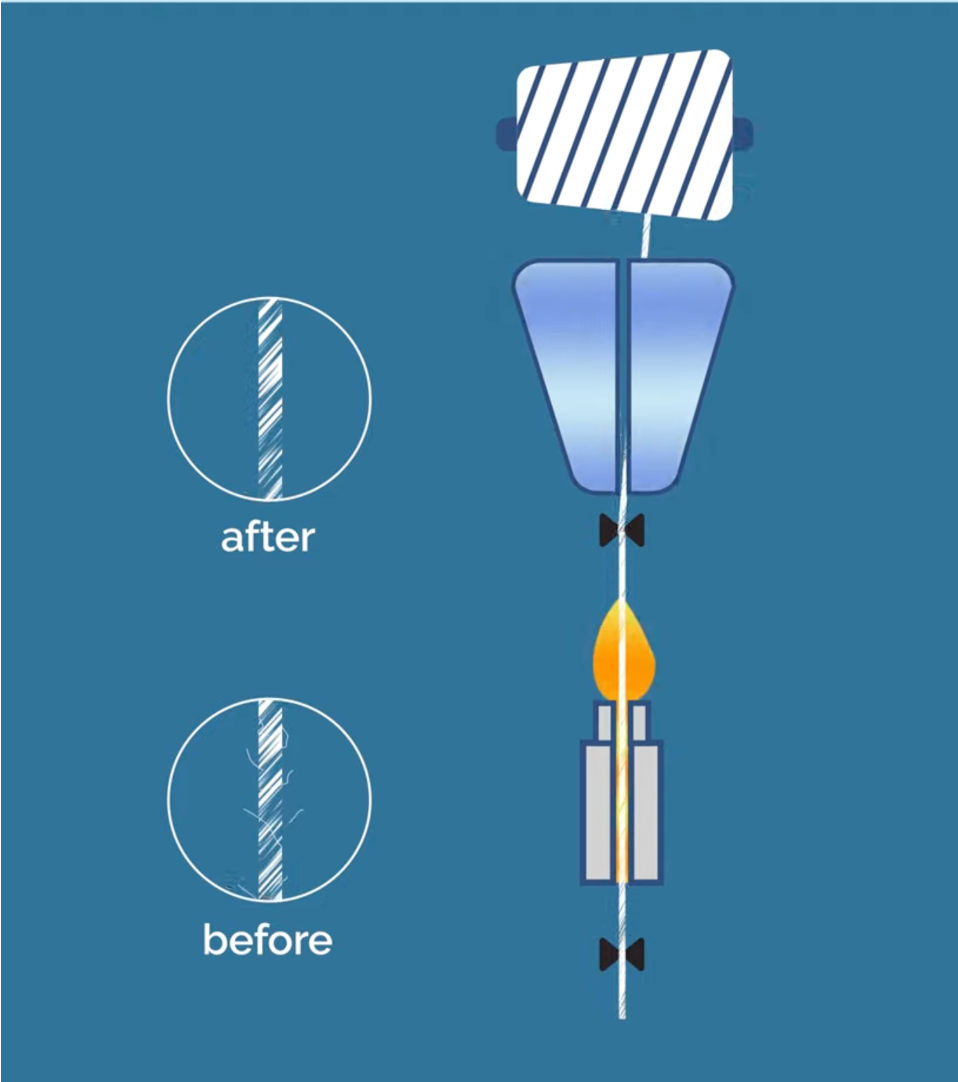
GASSING SINGEING
Process
• Yarn is quickly passed through a gas flame or heated plate to burn off surface fuzz/hairs.
• Smooth, clean yarn surface
• Enhances sheen
• Improves print clarity and stitch definition
Drawbacks
• Increases production cost
• Can slightly weaken yarn if overdone
Benefits
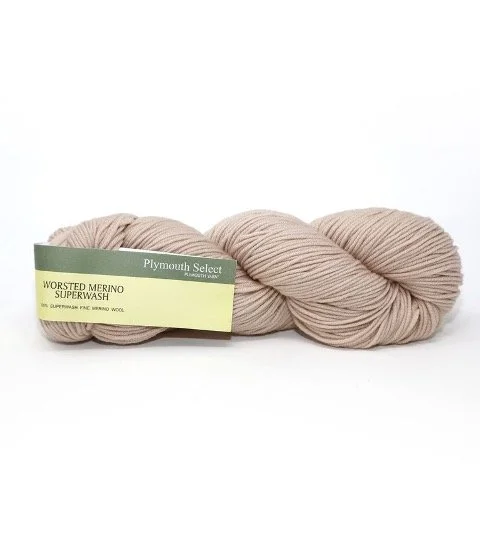
SUPERWASH
2 process:
• Chlorinated to remove/reduce the scales, then coated with a resin
• Or coated with polymer resin only
Process
• Machine-washable (no felting).
• Softer and smoother feel.
• Keeps elasticity of wool.
Benefits
• More costly than untreated wool.
• Environmental concerns (chlorination process).
• Can feel less "woolly" (slippery, less warmth-retaining).
Drawbacks
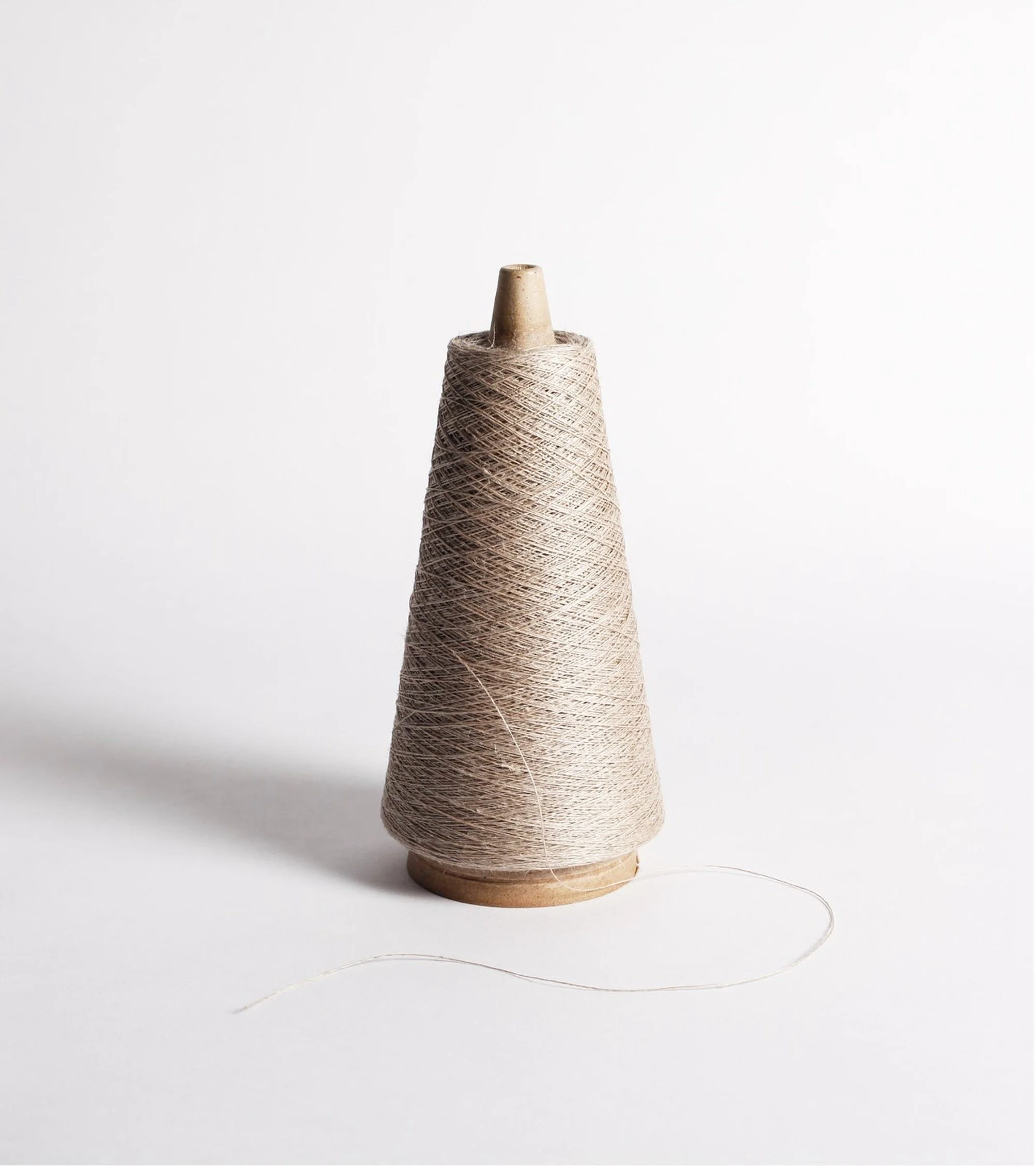
WETSPUN
Process
• Linnen is spun while wet
• Smoother and stronger yarn
Drawbacks
• High water and chemical use
Benefits
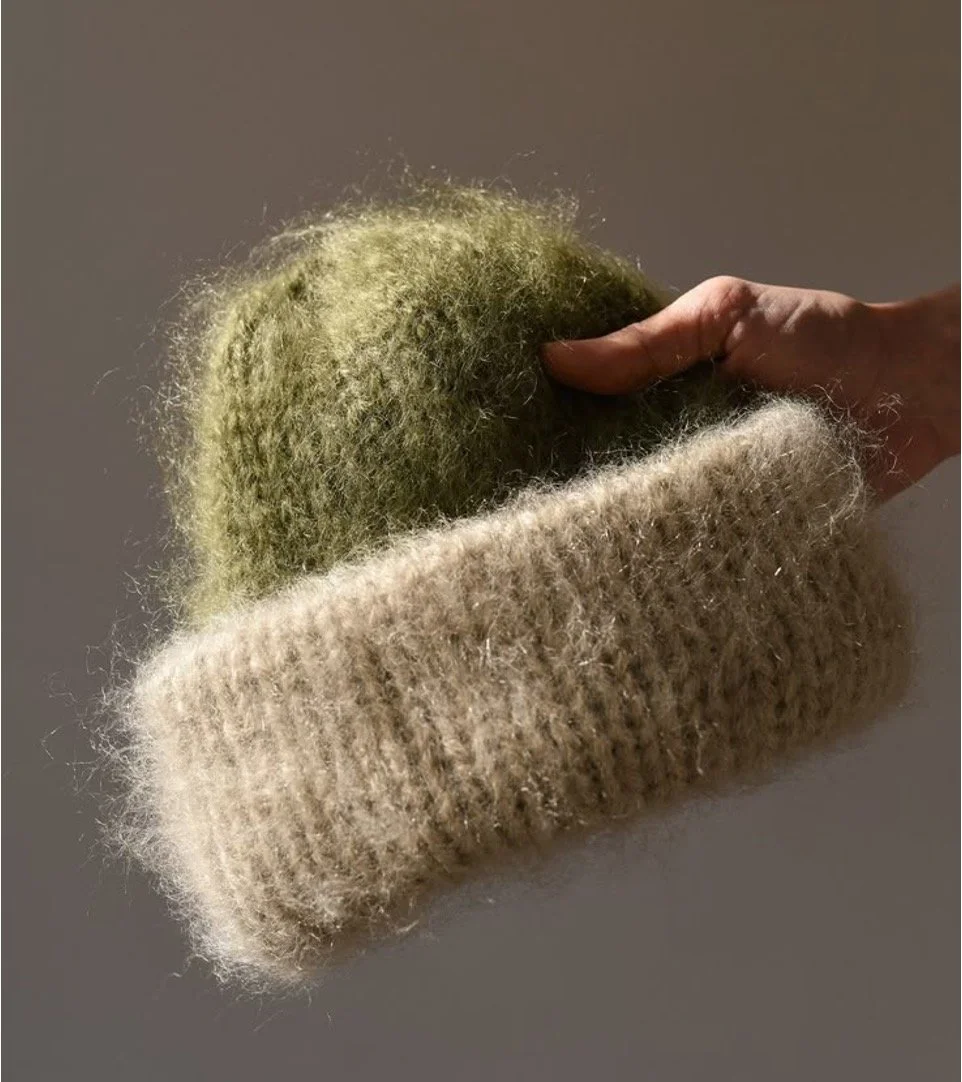
BRUSHING
• Yarn is mechanically brushed with fine wires to raise surface fibres, creating a halo effect.
Process
• Very soft, fluffy texture
• Creates warmth by trapping air
• Luxurious look and feel
Benefits
• Fibres may shed –> Less durable
• Can obscure stitch definition
• Pilling or matting possible over time
Drawbacks
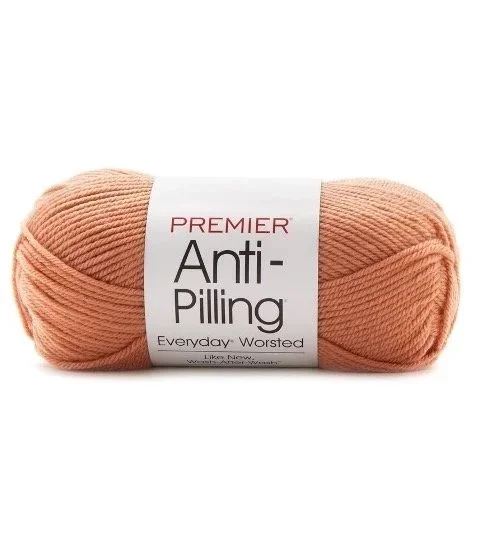
ANTI-PILLING
Process
• Chemical finishes applied to yarn surface, or fibres engineered with tighter twist/shorter protruding ends.
• Prevents little fibre balls (“pills”) forming after wear/wash
• Garments look newer for longer
Drawbacks
• Treatments may wash off gradually
• Sometimes reduces softness
• Adds production cost
Benefits
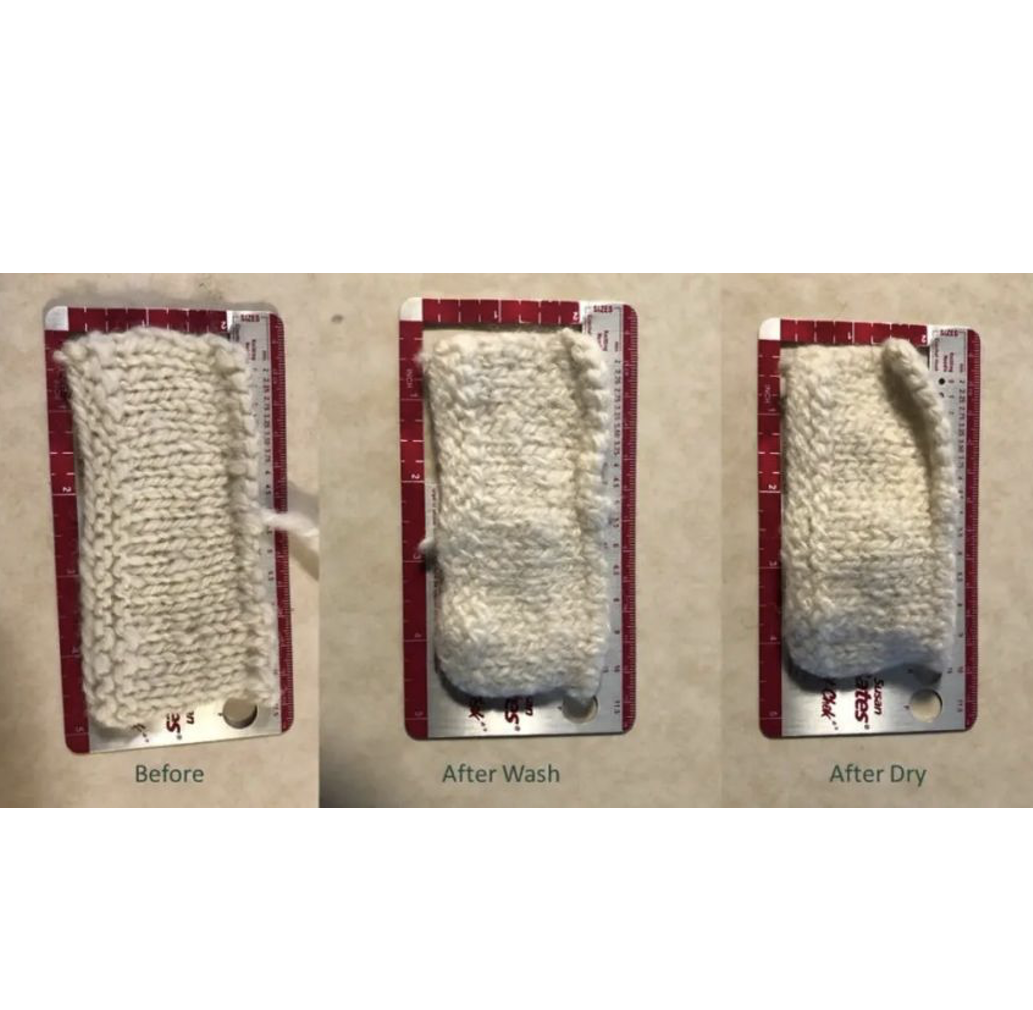
SHRINK RESISTANCE
Based on materials
• Wool: chlorination + resin (superwash), enzymatic, or plasma surface treatment.
• Cotton/plant fibres: mechanical pre-shrinking or resin finish.
Process
• Prevents felting/shrinking
• Machine-washable, easy care
• Keeps garment size and shape
Benefits
• Added cost
• Environmental concerns (chlorination/resins)
• Can alter natural feel (less woolly, less breathable).
Drawbacks
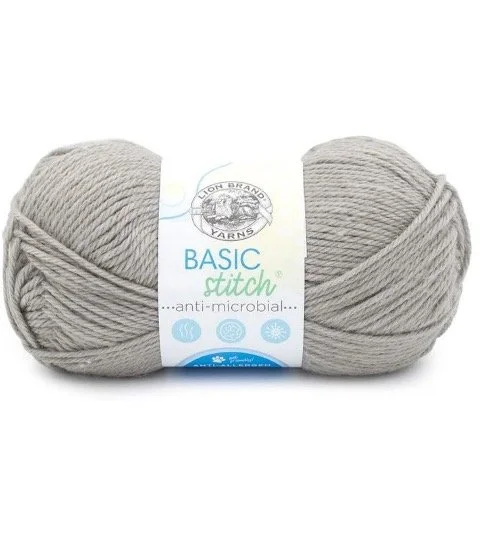
ANTI-MICROBIAL
ANTI-BACTERIAL
Process
• Fibers are treated with agents like silver ions, zinc, or quaternary ammonium compounds.
• Sometimes blended with naturally antibacterial fibres (bamboo, hemp).
• Reduces odour-causing bacteria
• Prevents mildew and fungal growth
• Keeps fabric fresher for longer
Drawbacks
• Treatments can wash out over time
• May cause skin sensitivity in rare cases
• Environmental concerns (e.g., silver nanoparticles).
Benefits
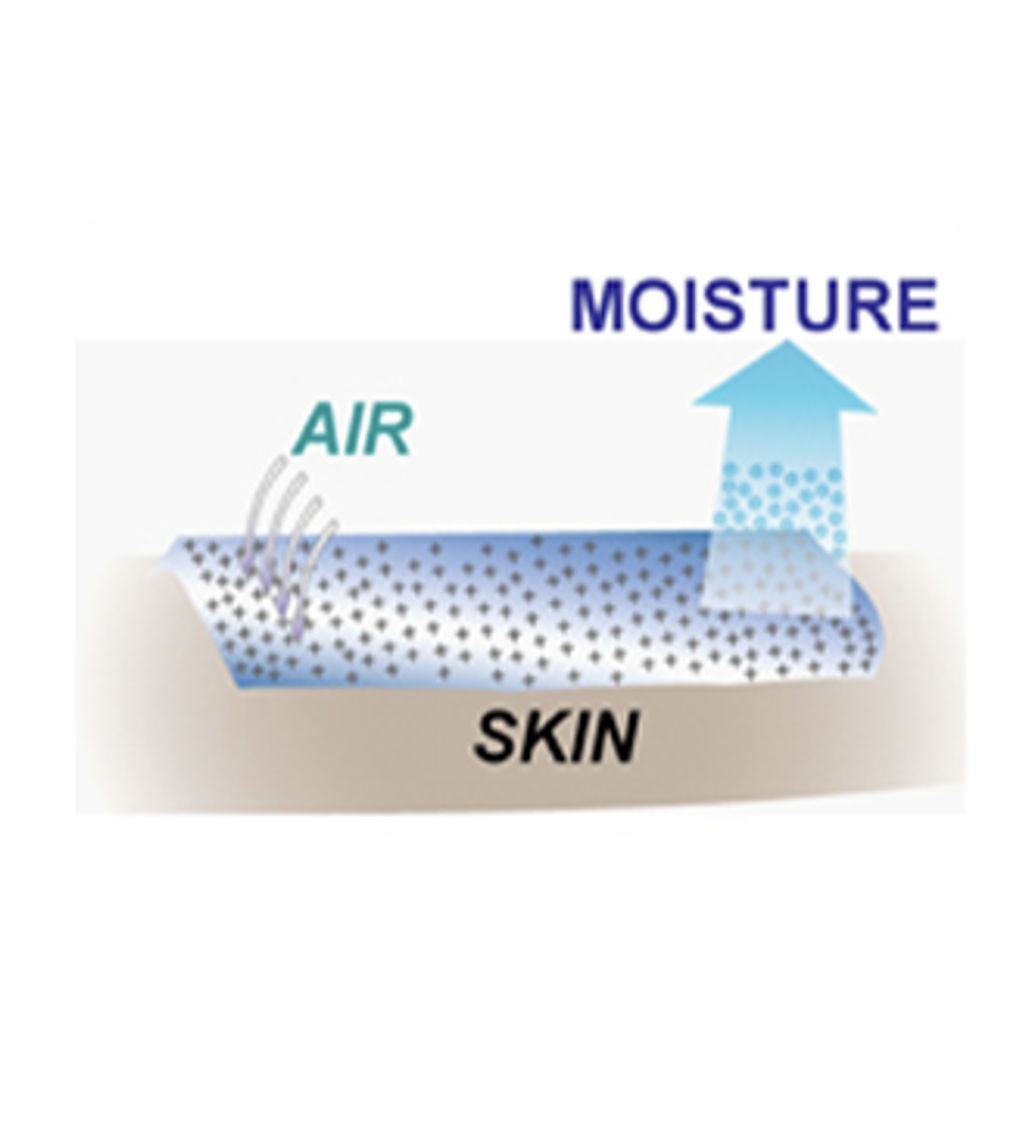
MOISTURE WICKING
2 Process:
• Hydrophobic chemical finish applied
• Or yarn engineered with special cross-sections (synthetics like polyester/nylon)
Process
• Pulls sweat away from skin
• Keeps fabric dry and comfortable
• Dries quickly after washing
Benefits
• Often less soft than natural fibres
• Chemical finishes may wear off over washes
• Can trap odours (especially synthetics)
Drawbacks
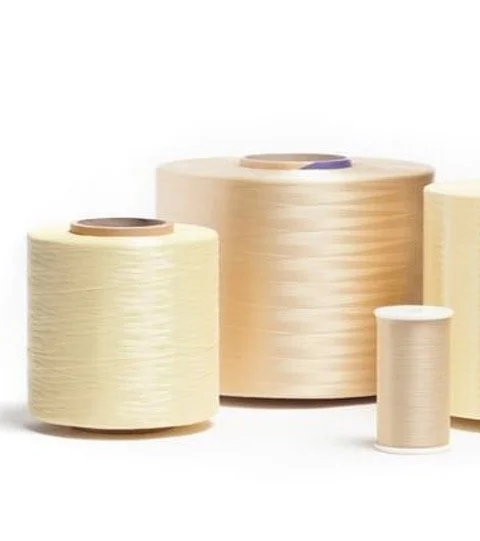
FIRE-RESISTANT FLAME-RETARDANT
Process
2 Processes
• Additives during fibre extrusion (e.g., inherently flame-retardant aramids).
• Or chemical coatings applied after spinning (phosphorus, bromine, etc.).
• Slows or prevents ignition.
• Provides safety for work or technical applications
Drawbacks
• Can feel stiffer or less soft
• Often reduces breathability
• Some chemical treatments can wash out
• Environmental/health concerns with certain chemicals
Benefits
UV PROTECTION
2 Processes
• UV-absorbing chemicals added to yarn surface. • Or pigment/dye selection made to block UV rays.
Sometimes added during fibre extrusion.
• Types of additives:
• UV Absorbers = protection for skin.
• HALS = protect the fiber
• Inorganic Pigments = strong, stable, broad UV protection (best for performance knitwear)
Process
• Protects skin from UV exposure
• Reduces fibre degradation/fading from sunlight
Benefits
• Can reduce softness or alter colour.
• Effect may wash out or fade over time