NATURAL FIBRES: Plant Fibres
Cotton (Co)
• Most popular fibre globally
• Highly absorbent, breathable, wearable year-round
• Widely used in knitwear
Surface
• Twisted, ribbon-like structure
• Cellulose fibre
Characteristics
• Lightweight, durable (strong when wet)
• Breathable
• Absorbs/releases moisture quickly
• Skin-friendly
• Dyes well, but may discolour
• Relatively stable, can shrink
• Prone to wrinkling
• Anti-static
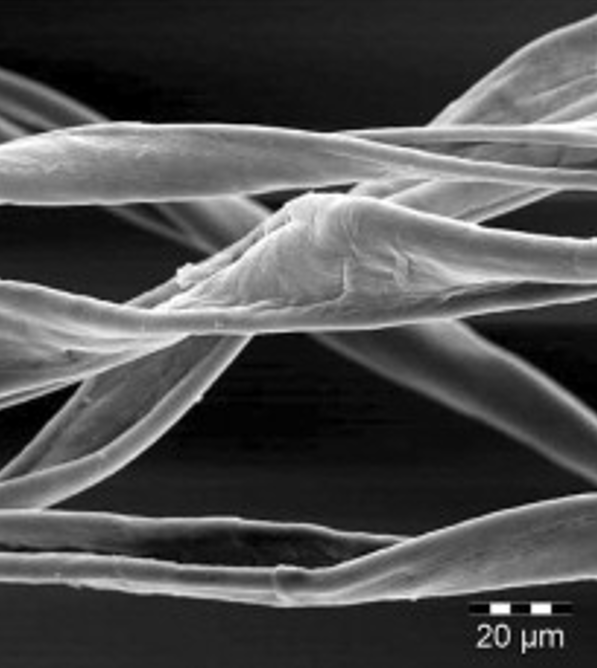
Cotton (Co)
Common variations
• Fiber quality depends on fibre length
Upland cotton: most common, medium staple length, United states
Egyptian cotton = Fine cotton, extra long staple-length
Pima cotton = extra-long staple length, like Egyptian, Peru
Asiatic cotton = short staple length
Staple length
• Extra long (>35mm): thin, long, smooth, soft and glossy
• Long (30-35mm): smooth and soft
• Medium (20-30mm): More abundant
• Short (<20mm): Thick, short, coarse
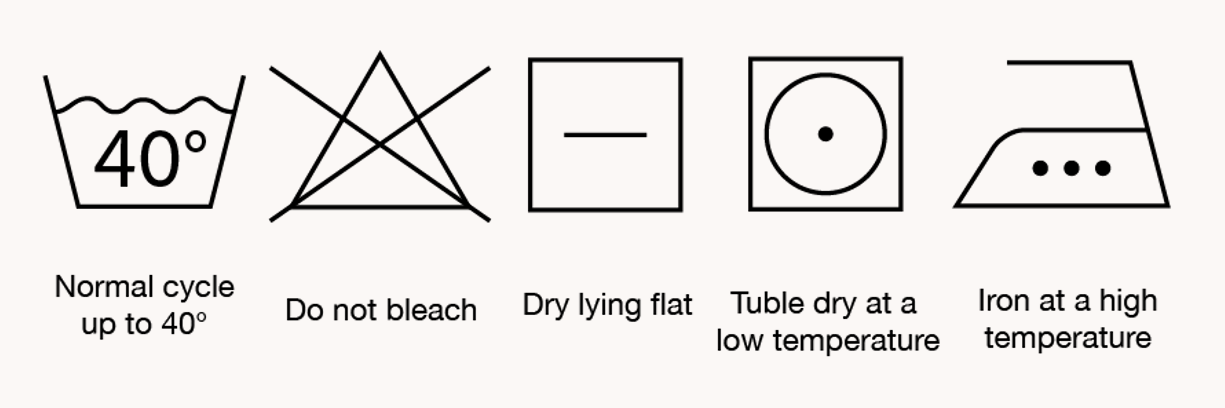
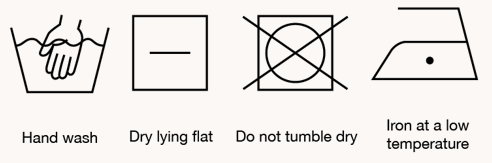
Care
Linen (Li)
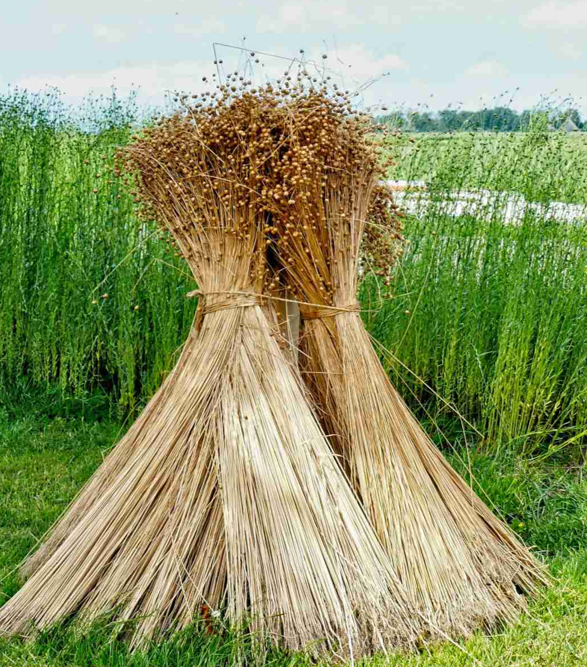
• Strong, durable fibre from Flax plant
• Bast fibre
• Highly absorbent, breathable, cool
Surface
• Cylindrical filaments with pointed edges
• Irregular nodes → slightly uneven texture
Characteristics
• Durable, stiff, crisp
• Withstands high temperatures
• Breathable, cool for summer
• Low elasticity -> prone to wrinkling
• Softens with washing/wear
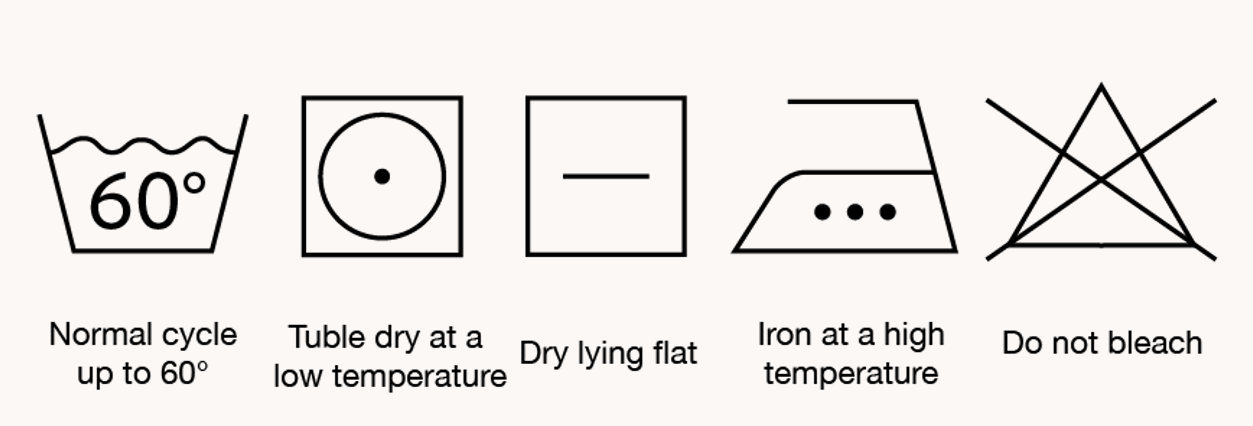
Care
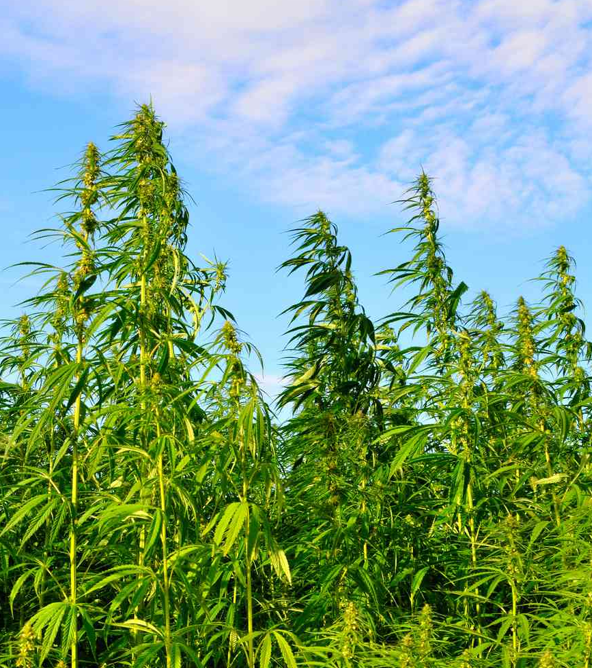
Hemp (Ca/Ha)
• Bast fibre from Cannabis sativa
• Durable, environmentally sustainable
Surface
• Long, irregular filaments with rough texture and nodes
• Porous → absorbent
Characteristics
• 8X stronger than cotton
• UV resistant
• Hard to dye (high lignin)
• Softens with washing/wear
• Low elasticity, not pliable → prone to wrinkling, coarse fabric
• Fast-growing, low-maintenance, sustainable
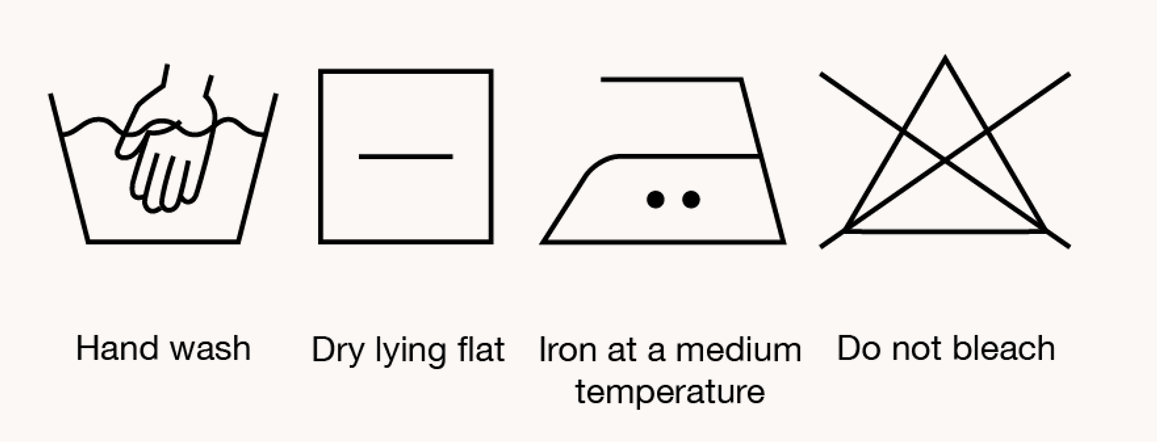
Care
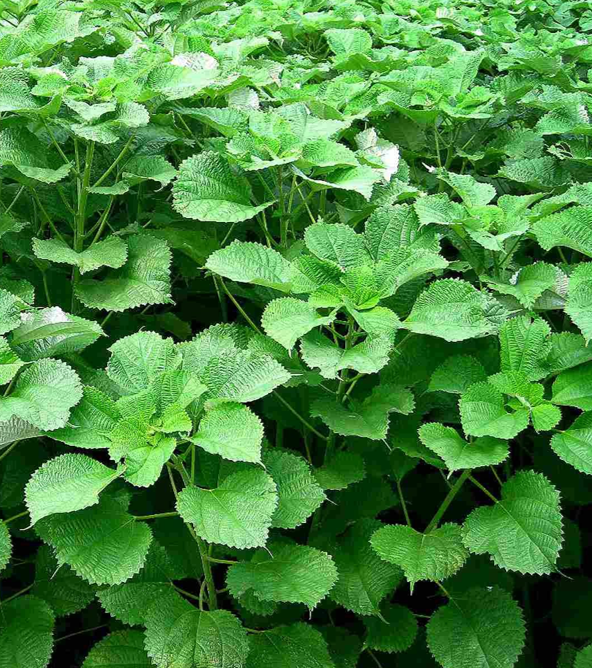
Ramie (Ra)
• Strong, durable, absorbent, breathable
• Often compared to linen
Surface
• Plant stalk contains gum/pectin → requires degumming • Produces smooth, usable fibre
Characteristics
• Stiff/brittle
• Softens with age/washing
• Strength increases when wet
• Holds garment shape well
• More absorbent than cotton
• Antibacterial, mould resistant
Care