FIBRE TO YARN PROCESS: Synthetic Fibre
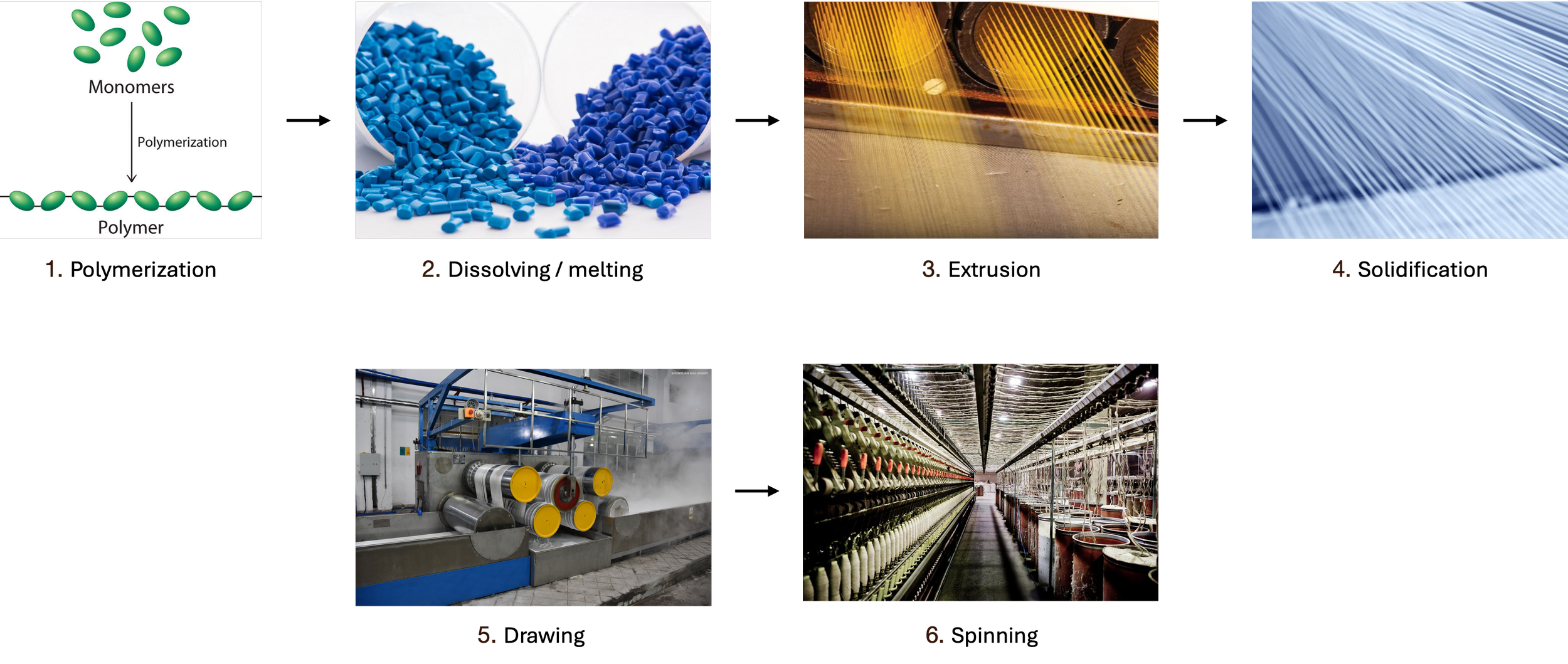
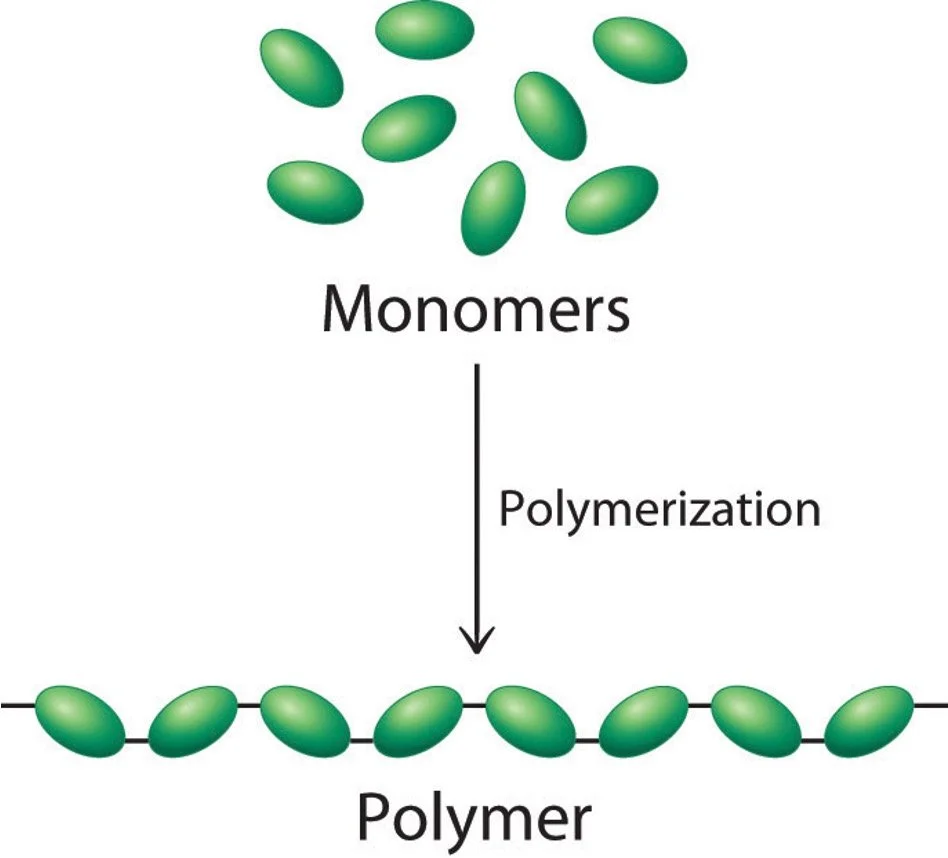
1. Polymerization
The raw materials are turned into a. polymer through a chemical process
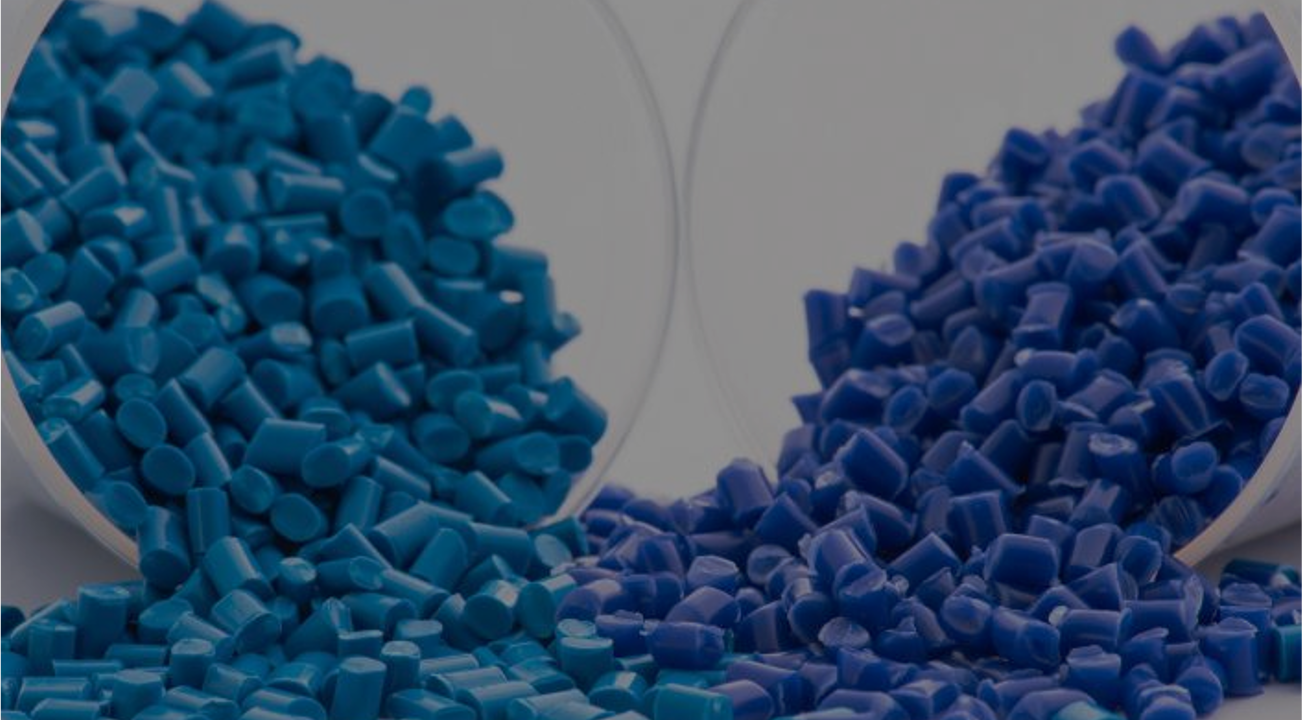
2. Dissolving / melting
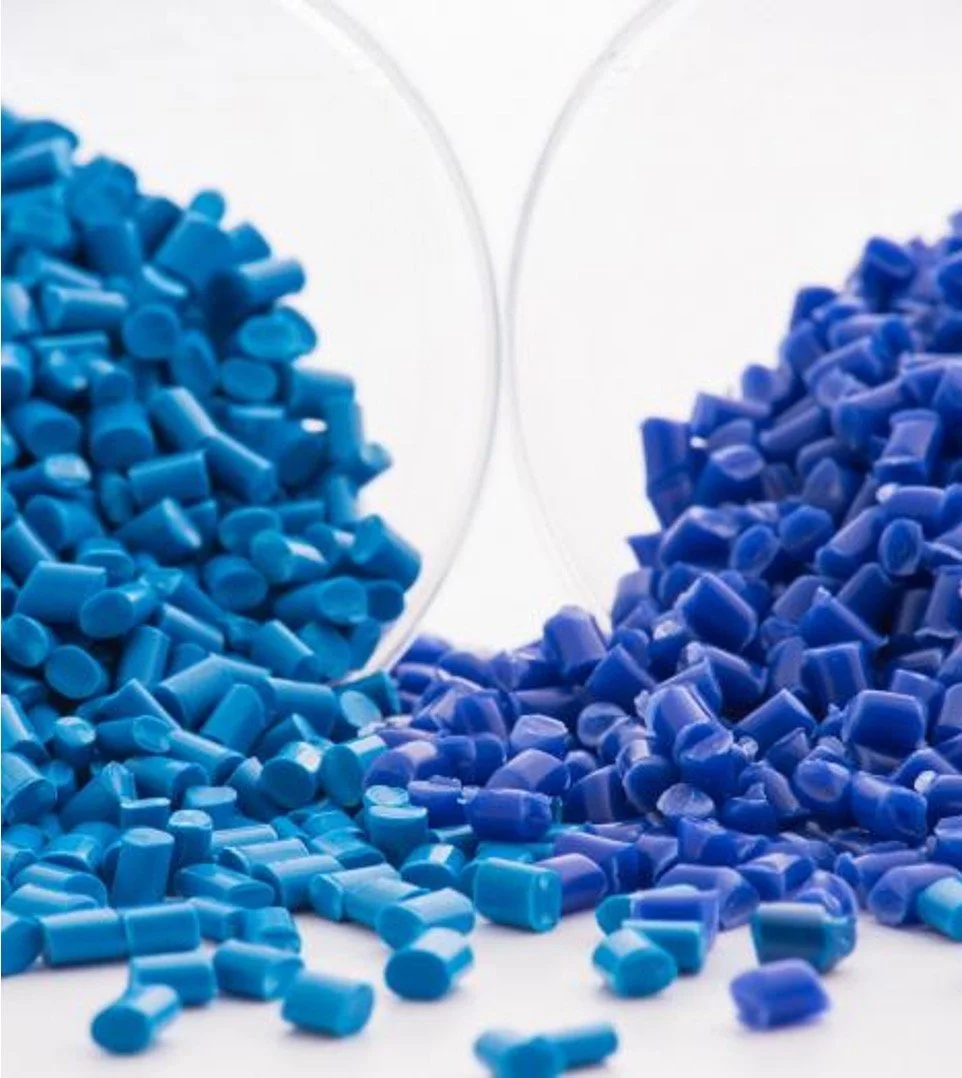
The polymers are melted or dissolved in a solvent
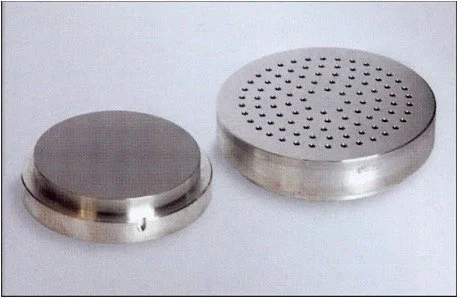
3. Extrusion
The solution is extruded via spinnerets to create continuous filaments.
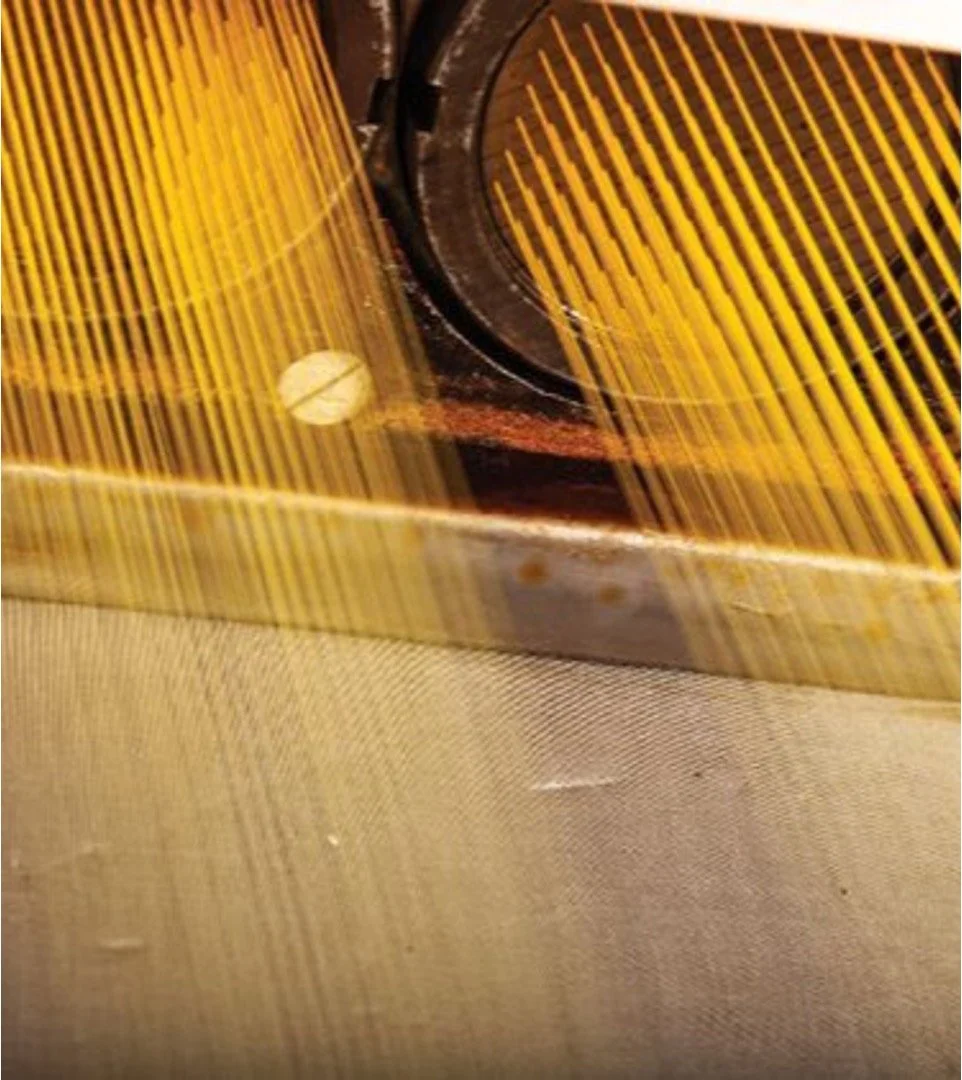
4. Solidification
The extruded fibres are solidified and cooled rapidly by air or into a liquid bath
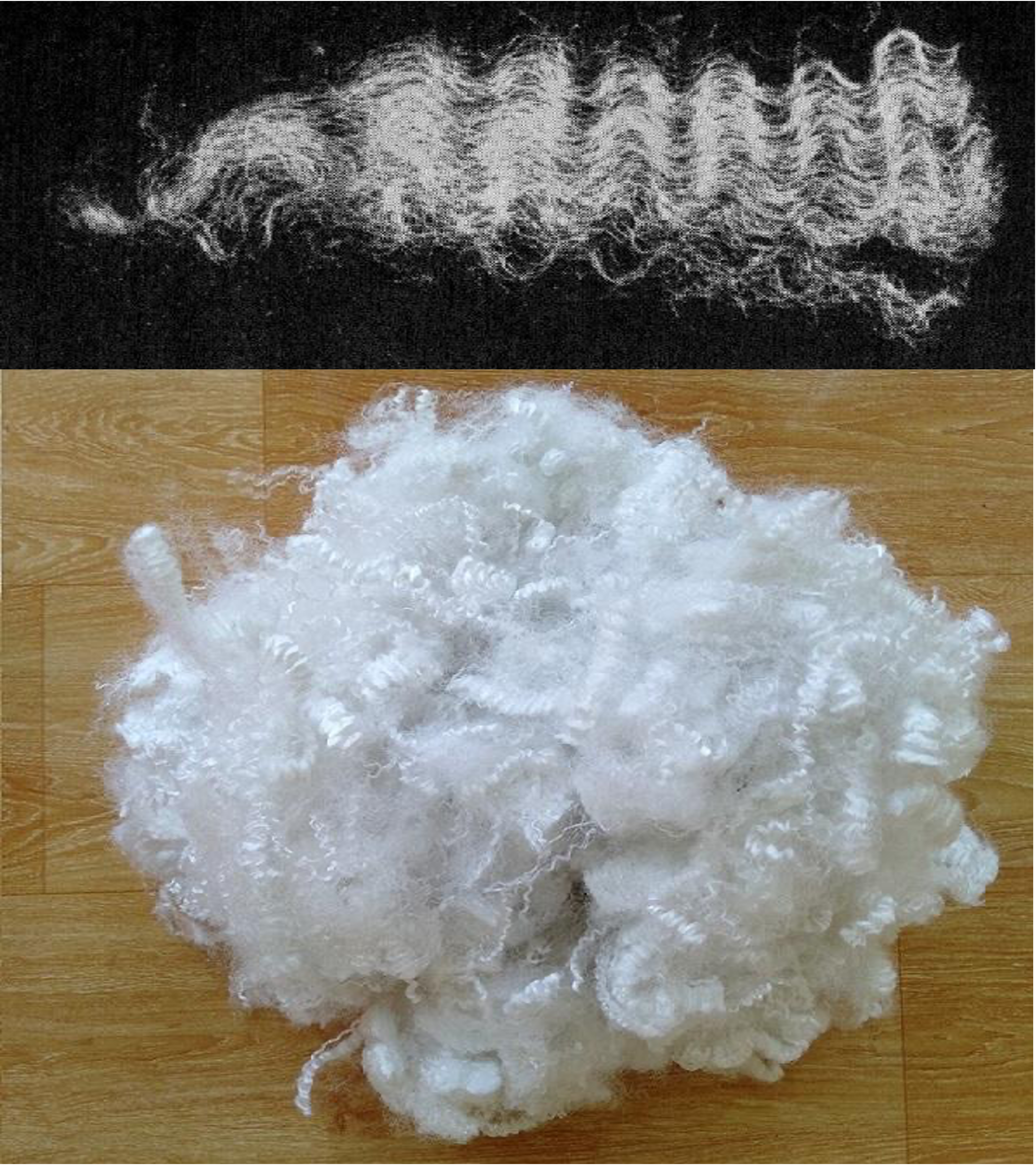
5. Crimping and cutting (optional)
Giving the fibres texture and cutting them in the desired length
6. Drawing
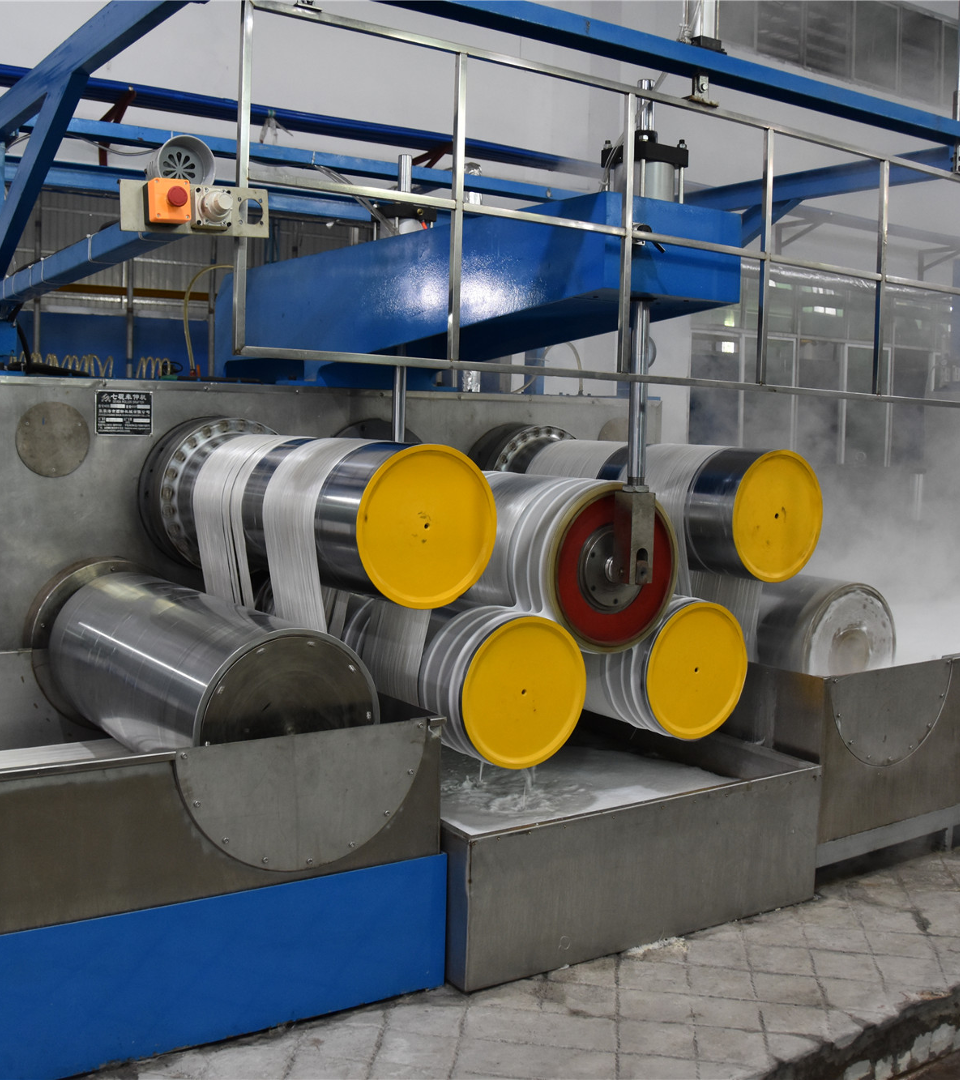
The filaments are drawn and stretched
• Aligns the polymer chains
• Enhances the fibre’s tensile strength, elasticity, and overall durability
7. Melt spinning
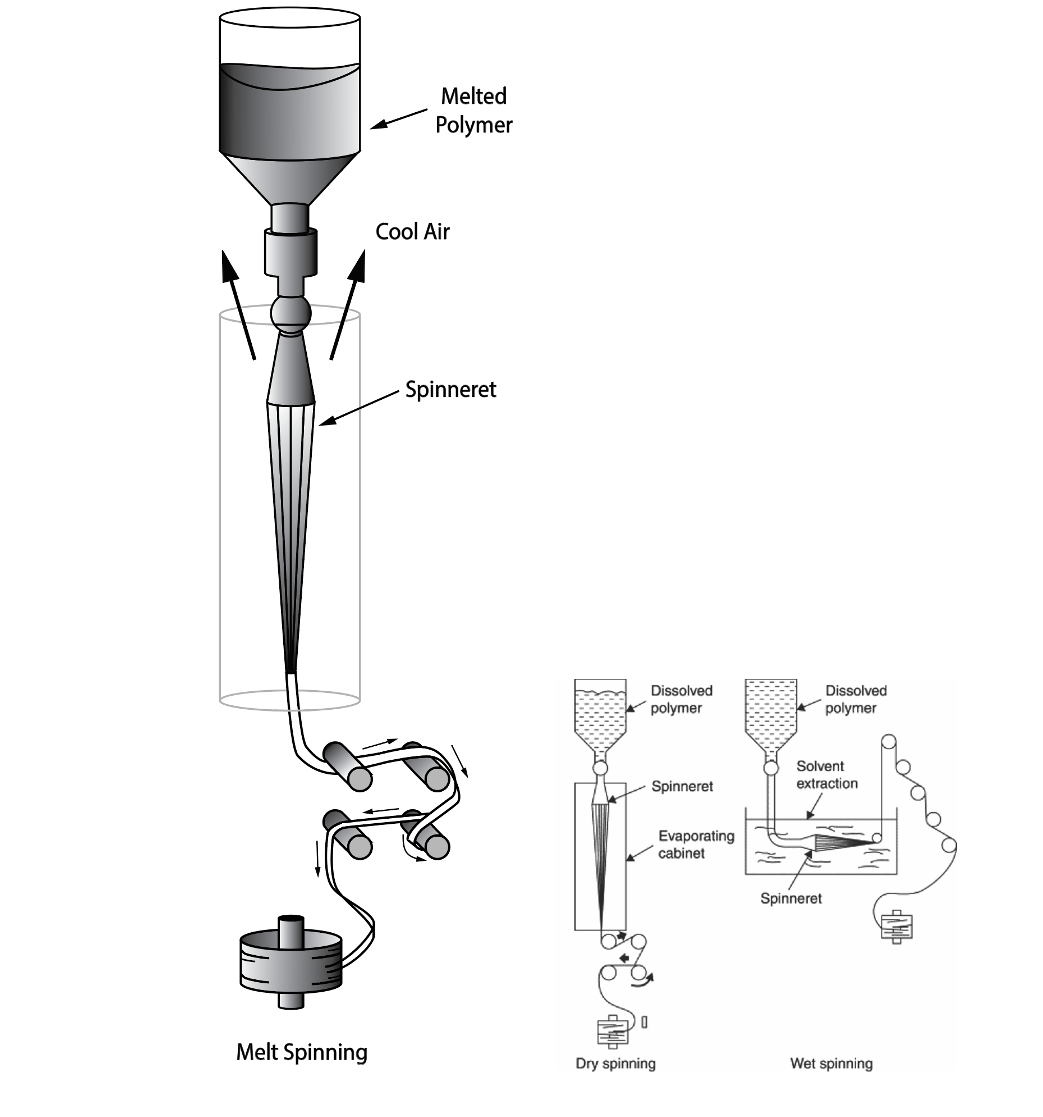
• Polymer granules are melted and then extruded through the spinneret
• Polyester, nylon
• Non-toxic production process
• Fastest production rate
Other methods
Dry spinning
• Polymers are dissolved in a volatile solvent that evaporates when extruded
• Acetate, acrylic
Wet spinning
• Polymers are dissolved in solvent and extruded directly into a liquid bath
• Viscose rayon, acrylic, aramid, spandex
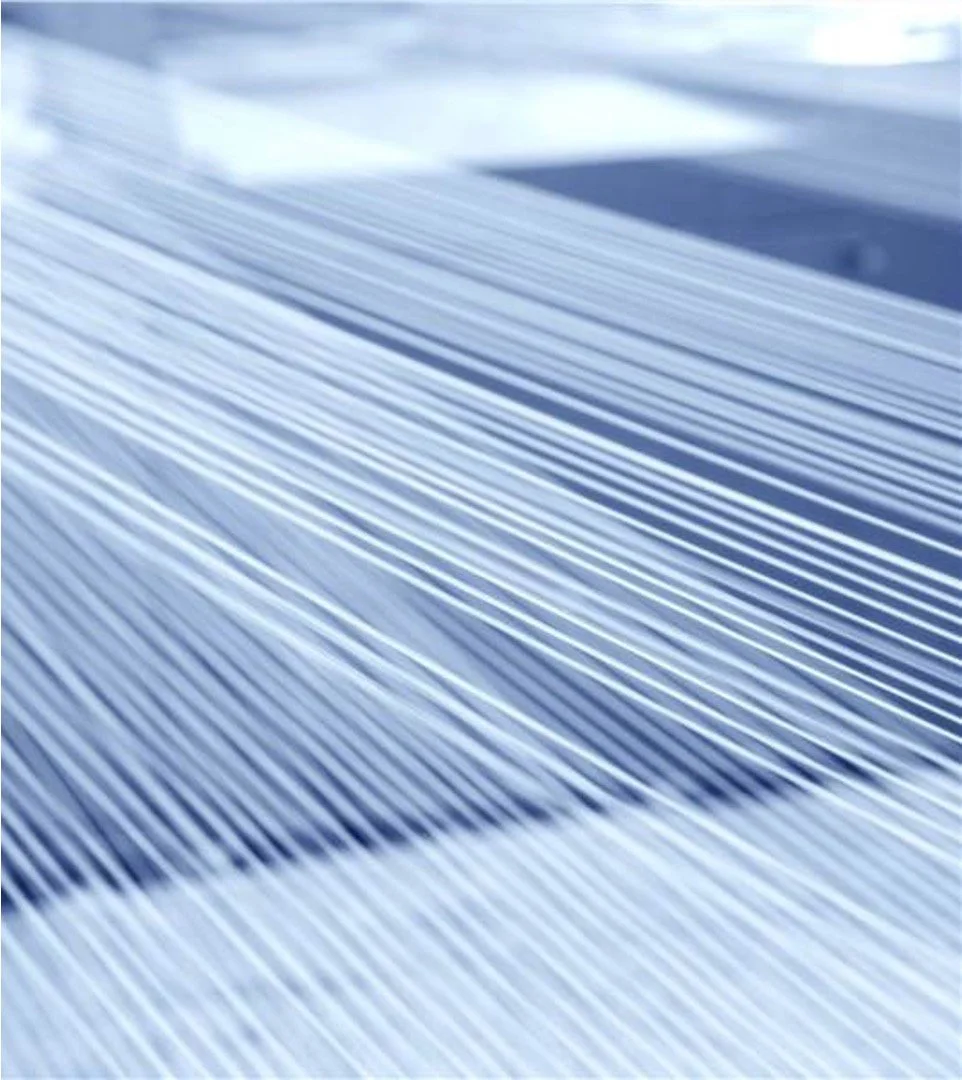
8. Spinning
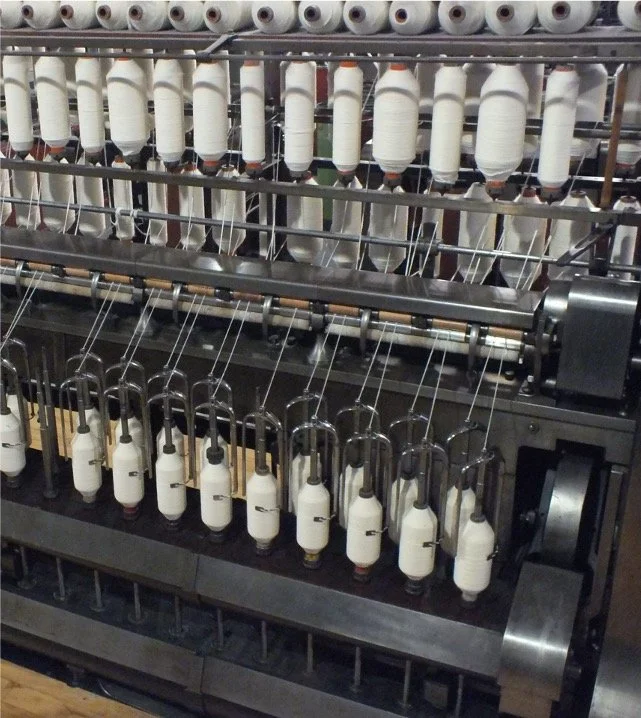
The filaments are turned into yarn by winding them together
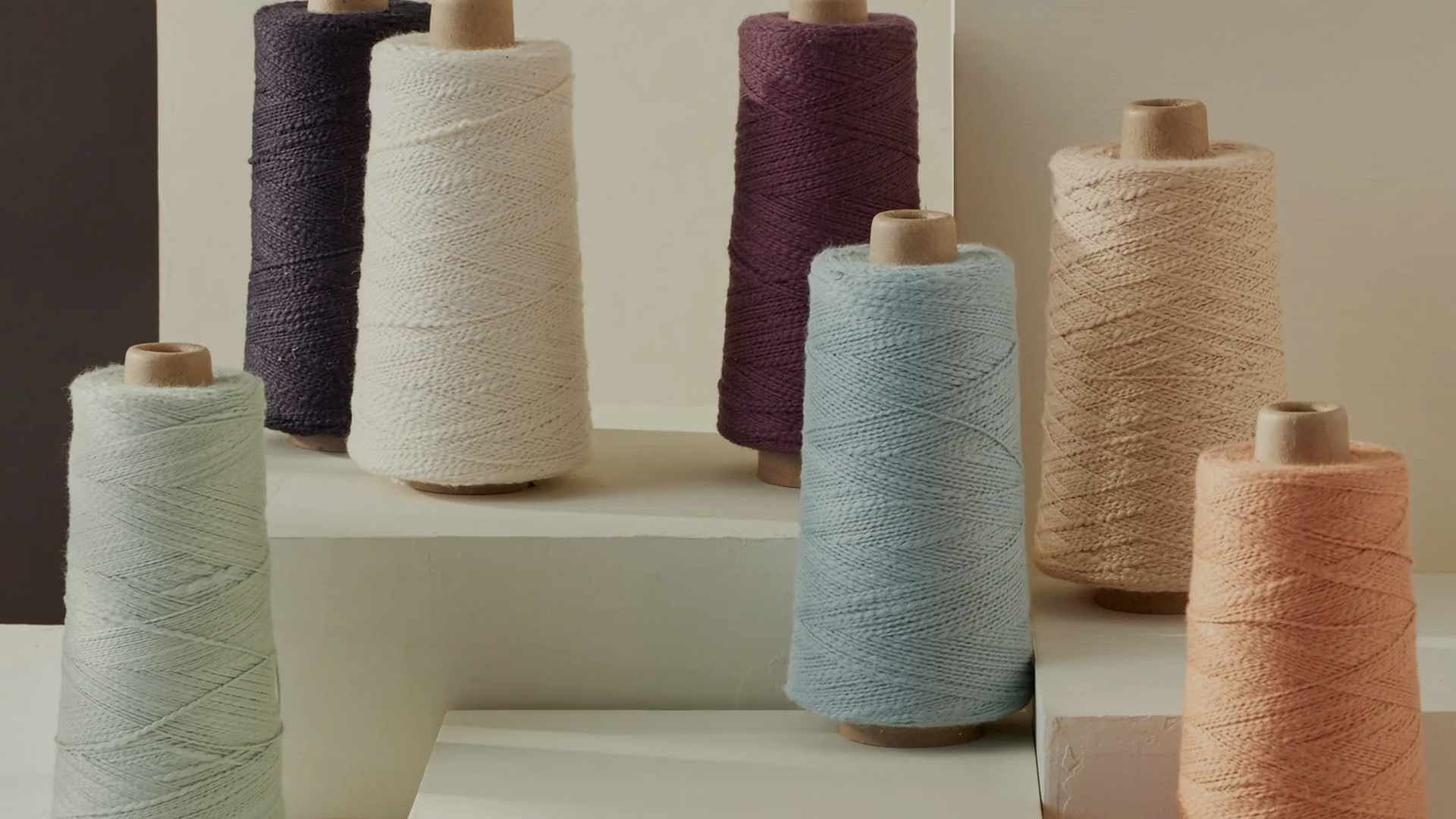
Fibre to yarn
Synthetic fibres