
Essential stitches
Learn more
The three basic stitch formations
In weft knitting, the way a needle handles the yarn determines the type of stitch that is created.
Knit
The needle forms a new loop and pulls it through the existing loop. The old loop is released.
Purl
The new loop is formed in the opposite direction, producing a stitch that is structurally different from a knit stitch.
Tuck
The needle receives and holds a new yarn without immediately pulling it through the existing loop. The new yarn is held together with the previous loop and is incorporated into a later stitch.
These three basic formations can be combined and repeated to create a huge variety of knitted structures.
Explore
From stitches to structures
Knit, purl and tuck are building blocks rather than a finished knit.
you can create structures such as rib, piqué, tuck structures, cables, jacquards and many other knitted effects.
This is where knitting becomes a design language.
See an example
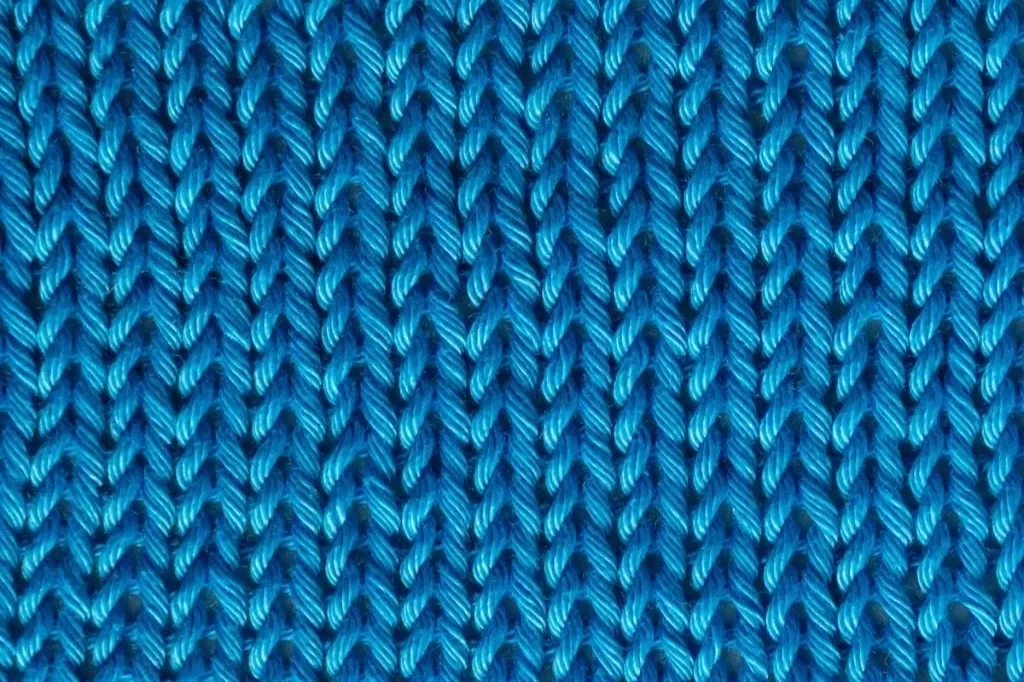
Knit
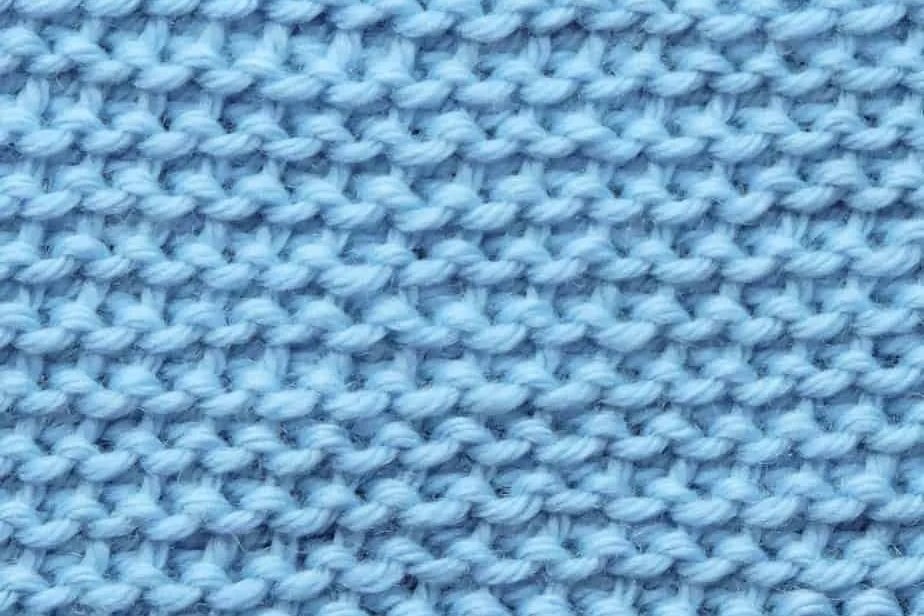
Purl
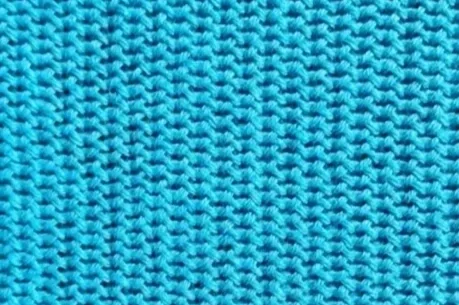
Tuck
Go deeper
Sources:
Spencer, D. J. (2001). Knitting Technology. 3rd ed., Woodhead Publishing.
https://noteboi.com/wp-content/uploads/2021/09/Knitting-Technology-compressed.pdf?utm_source=chatgpt.com
Coppieters, I. (2002). Breitechnieken – Opleiding voor commercielen. VDAB Training & Opleiding, via Cobot.
Fashionary. (2024). The Knitwear Manual: A Complete Guide to Knitwear Design.